
Kibale Forest National Park: The Primate Capital of Africa
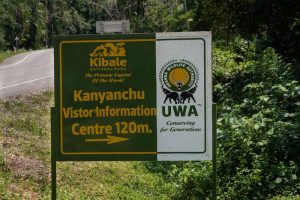
Kibale Forest National Park is one of the most fascinating wildlife destinations in East Africa. Located in western Uganda, Kibale Forest National park is widely known as the primate capital of the world. It covers about 795 square kilometers and is dominated by tropical rainforest, making it a perfect habitat for a wide variety of animals and plants. Kibale Forest National park lies close to the beautiful Fort Portal area, which is famous for its rolling hills and scenic landscapes.
Kibale Forest National Park stands out because of its rich biodiversity and unique ecosystems. It is home to over 13 species of primates, including chimpanzees, monkeys, and bush babies. The park also hosts elephants, forest buffaloes, and many bird species. Visitors come here not only for wildlife but also for the peaceful environment and fresh forest air. Its accessibility and well-organized tourism activities make it a favorite for both local and international travelers. Kibale forest National Park offers a perfect mix of adventure, education, and relaxation, making it one of Uganda’s top conservation areas.
The Rich Tropical Rainforest Ecosystem
The rainforest of the Kibale Forest National Park is one of the most diverse ecosystems in Africa. The forest features tall hardwood trees, thick undergrowth, and a canopy that shelters many species. This environment creates a cool and humid climate, which supports plant and animal life throughout the year.
The forest is not uniform, as it includes swamp areas, grasslands, and riverine zones. Each of these habitats supports different species, creating a balanced ecosystem. For example, swamp areas attract birds and amphibians, while the dense forest is ideal for primates and insects. The variety of plant species is also impressive, with medicinal plants, fruit trees, and towering fig trees dominating the landscape.
This ecosystem plays an important role in climate regulation and water conservation. Rivers that begin in Kibale supply nearby communities with fresh water. The forest also acts as a carbon sink, helping to reduce the effects of climate change. Visitors walking through the forest often notice the sounds of birds, insects, and rustling leaves, which create a calm and natural atmosphere. The rainforest is truly the heart of Kibale, supporting life and offering unforgettable experiences.
Chimpanzee Trekking Experience in Kibale Forest National Park
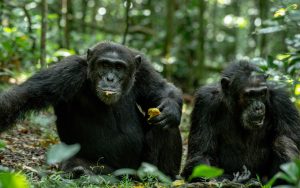
Chimpanzee trekking is the most popular activity in the Kibale Forest National Park. The park has one of the highest populations of chimpanzees in Africa, making sightings very likely. Guided tours take visitors deep into the forest to observe these intelligent primates in their natural habitat.
Park rangers provide a briefing early in the morning to start the adventure. Visitors are then led into the forest, where they follow chimpanzee calls and signs such as nests and footprints. Once the chimps are found, visitors can observe them for about one hour. Watching chimpanzees interact, groom each other, and communicate is both exciting and educational.
Chimpanzees share many similarities with humans, which makes the experience even more fascinating. Visitors often notice their emotions, social behavior, and problem-solving skills. Guides explain these behaviors, helping visitors understand their importance in the ecosystem.
Chimpanzee trekking also supports conservation efforts. Fees paid by tourists help fund park management and protect wildlife. This activity combines adventure, learning, and conservation, making it a must-do experience for anyone visiting Kibale National Park.
Other Primate Species in Kibale Forest National Park.
Besides chimpanzees, the Kibale National Park is home to many other primate species. Such as L’Hoest’s monkeys, vervet monkeys, black and white colobus monkeys, and red colobus monkeys. Every species has distinct traits and habits that make them fascinating to study.
Red colobus monkeys are known for their social nature and loud calls, often moving in large groups through the treetops. Black-and-white colobus monkeys are easily recognized by their striking fur and long tails. Vervet monkeys are more common and are often seen near forest edges, while L’Hoest’s monkeys prefer dense forest areas.
The diversity of primates in Kibale makes it one of the best places in the world for primate research and tourism. Scientists study these animals to understand their behavior, diet, and social structures. Visitors also benefit from these studies, as guides share detailed information during tours.
Seeing multiple primate species in one visit adds excitement and variety to the experience. It also highlights the importance of protecting forests, as these animals depend on trees for food and shelter. Kibale truly lives up to its reputation as a primate paradise.
Bird watching Opportunities in Kibale Forest National Park.
For those who enjoy the outdoors, bird viewing at Kibale National Park is a fulfilling experience. The park is home to over 375 bird species, making it a key destination for bird enthusiasts. The mix of forest, wetlands, and grasslands provides ideal habitats for different bird species.
Common birds include the African grey parrot, green-breasted pitta, and great blue turaco.
These birds are well-known for their vivid hues and distinctive sounds. Since birds are most active in the early morning, this is the ideal time to observe birds. Guided bird watching tours help visitors identify species and learn about their behavior. Guides use their knowledge of bird calls and habitats to locate rare species. Wetland areas, such as Bigodi Swamp, are particularly rich in birdlife and offer excellent viewing opportunities.
Bird watching also supports conservation by raising awareness about the importance of protecting habitats. Visitors often develop a deeper appreciation for nature after observing birds in their natural environment. Whether you are an expert or a beginner, bird watching in Kibale offers a peaceful and educational experience.
Nature Walks and Forest Exploration in Kibale Forest National Park
Nature walks are an excellent way to explore the Kibale National Park. These guided walks allow visitors to experience the forest at a slower pace, noticing details that might be missed during other activities.
During the walk, visitors can see trees, plants, insects, and small animals up close. Guides explain the uses of medicinal plants, the role of insects in the ecosystem, and the importance of forest conservation. Walking through the forest also provides opportunities to spot primates and birds in their natural habitats.
The peaceful environment makes nature walks relaxing and refreshing. Visitors often enjoy the sounds of birds, flowing water, and rustling leaves. Trails vary in length and difficulty, making them suitable for different fitness levels.
Nature walks also promote eco-tourism, encouraging visitors to respect the environment and minimize their impact. By walking instead of driving, visitors reduce noise and pollution, helping to preserve the park’s natural beauty. This activity combines learning, relaxation, and adventure, making it a valuable part of any visit to Kibale.
Cultural Encounters with Local Communities
The communities surrounding the Kibale National Park offer rich cultural experiences. Visitors can interact with local people to learn about their traditions, farming practices, and daily life.
Cultural tours often include visits to villages, where visitors can see traditional homes, taste local food, and watch dance performances. These experiences provide insight into how communities live alongside wildlife and depend on natural resources.
Many local people are involved in conservation efforts, helping to protect the forest and its wildlife. Community projects, such as eco-tourism and craft making, provide income while promoting sustainability. Visitors can support these projects by purchasing handmade items and participating in cultural activities.
These interactions create meaningful connections between visitors and locals. They additionally emphasize how crucial community participation is to conservation. By understanding local cultures, visitors gain a deeper appreciation for the region and its people. Cultural encounters in Kibale add a human element to the wildlife experience, making the visit more complete and memorable.
Conservation and Environmental Protection
Conservation is a key focus in the Kibale National Park. The park protects important habitats and ensures the survival of many species. Rangers and conservationists work together to monitor wildlife, prevent illegal activities, and manage natural resources.
Research is an important part of conservation in Kibale. Scientists study primates, birds, and plants to understand their behavior and needs. This data aids in the development of efficient management strategies.
Community involvement is also essential. Local people are encouraged to participate in conservation programs and adopt sustainable practices. Education initiatives increase public understanding of the significance of environmental protection.
Conservation is greatly aided by tourism. Fees collected from visitors help fund park operations and community projects. Visitors are also encouraged to follow guidelines, such as keeping a safe distance from animals and avoiding littering.
These combined efforts ensure that Kibale remains a thriving ecosystem. Conservation not only protects wildlife but also benefits future generations. The park serves as an example of how nature and people can coexist in harmony.
Memorable Experiences in Kibale Forest National Park in 4wd vehicle.

A visit to the Kibale National Park offers unforgettable experiences in 4wd cars. Watching chimpanzees in the wild, walking through lush forests, and hearing birds sing create lasting memories. Each activity provides a unique perspective on the park’s beauty and biodiversity.
Visitors often enjoy the peaceful atmosphere, which is different from busy city life. The fresh air, green scenery, and natural sounds create a sense of calm and relaxation. Photographers find endless opportunities to capture stunning images of wildlife and landscapes.
Every visit to Kibale is different, as wildlife behavior changes and new discoveries are made. This makes each experience special and exciting. Whether traveling alone or with others, visitors leave with a deeper appreciation for nature.
Kibale National Park is not only a place to visit. It is a place where people connect with wildlife, learn about conservation, and experience the beauty of Uganda. The memories created here stay with visitors long after they leave.
Conclusion
The Kibale National Park is a true gem of Uganda. Its rich biodiversity, unique primates, and beautiful rainforest make it a must-visit destination. Activities such as chimpanzee tracking, birdwatching, and nature walks provide unforgettable experiences.
The park also highlights the importance of conservation and community involvement. By protecting wildlife and supporting local people, Kibale ensures a sustainable future for all.
For anyone seeking adventure, education, and natural beauty, Kibale National Park offers the perfect experience. It stands as a symbol of harmony between nature and humanity, making it one of Africa’s most remarkable destinations.http://national park