
Self drive Safaris Tanzania & Guided Trips - when to go
A self-drive safari in Tanzania is one of the most thrilling and liberating ways to experience East Africa’s rich wildlife, diverse landscapes, and vibrant cultures. Unlike guided tours, a self-drive adventure offers the freedom to explore at your own pace and connect more intimately with nature. It gives you the freedom to discover breathtaking landscapes and diverse wildlife on your own terms — picture yourself driving through the Serengeti, spotting a lion basking in the sun, or witnessing the Great Migration without a crowded safari vehicle. Just you, your 4×4, and the wild.
Is It Actually Possible?; Yes, you can go on a self-drive safari in Tanzania — an increasingly popular option thanks to improvements in the country’s highways and national park roads. That said, if you plan to drive yourself, it’s highly recommended to have prior self-driving experience in other African countries, as navigating Tanzania’s roads can be more demanding than in many other regions. One important caveat worth knowing: some national parks only allow specialist safari trucks to enter, meaning a regular 4×4 hire car may not be allowed in. This has caught some self-drivers off guard, who ended up having to arrange a separate guided safari at the last minute — effectively paying twice.
When to Visit Tanzania —
and What to Expect
Here is your complete guide to travel seasons to Tanzania, migration seasons and the best time to be therre, and choosing the right safari style – Self drive safaris over guided safaris.
From the thundering hooves of two million wildebeest crossing the Mara River to the snow-dusted summit of Kilimanjaro and the white-sand shores of Zanzibar, Tanzania is one of Africa’s most rewarding destinations. But getting the timing right can transform a good trip into an extraordinary one.
Best time for a guided safari in Tanzania
For travellers joining an organised or fully escorted safari, the long dry season from June through October remains the gold standard. Grasses thin out dramatically across the Serengeti and Ngorongoro Crater, animals congregate around the few remaining water sources, and professional guides can anticipate movements with remarkable accuracy.
July and August represent the absolute peak for guided experiences. This is when the Great Wildebeest Migration reaches the Mara River, and skilled guides position vehicles for front-row views of one of nature’s most dramatic spectacles — tens of thousands of wildebeest plunging into crocodile-filled water to cross into Kenya’s Masai Mara. The green season from January to early March offers a compelling alternative for guided travellers. Expert guides know exactly where to find the vast wildebeest calving grounds on the Ndutu plains in the southern Serengeti ecosystem, where roughly half a million calves arrive in February alone — drawing lions, leopards, cheetahs, hyenas, and wild dogs in extraordinary concentrations.
Guided safari tip: For birdwatchers, March is unmissable. European bee-eaters, Amur falcons, white storks, and Abdim’s storks all arrive to breed during this window, and a specialist bird guide can help you locate dozens of migratory species in a single day.
Serengeti National Park
- 4×4 Adventures
- /
- Best Time to Visit Tanzania

Key Parks & Destinations
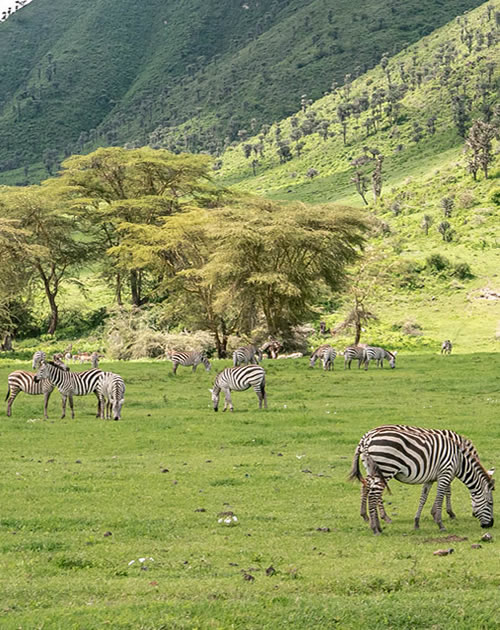
Tanzania boasts over 14 national parks, with the world-renowned Serengeti National Park and the Ngorongoro Crater in the north, and Selous Game Reserve and Ruaha National Park in the south, as well as smaller parks like Tarangire National Park, Lake Manyara National Park, and Arusha National Park. The top self-drive circuits include:
Northern Circuit (most popular for self-drive): Arusha → Tarangire → Lake Manyara → Ngorongoro Crater → Serengeti. This route is ideal for seeing the Big Five, the Great Migration, and the famous volcanic caldera.
Southern Circuit: Dar es Salaam → Nyerere (Selous) → Ruaha. A round trip of roughly 1,300 km from Dar es Salaam, best visited from June to November, with a recommended duration of 8–10 days.
- Total flexibility on timing and pace
- More budget control over the trip
- Rewarding sense of exploration
- Requires solid 4×4 driving skills
- Navigation apps and offline maps essential
- Best in dry season (Jun – Oct)
Best for: experienced drivers, repeat visitors, adventurers
- Expert wildlife tracking and identification
- Logistical hassle removed entirely
- Access to exclusive conservancy areas
- Ideal for first-time Tanzania visitors
- Specialist guides for birds, predators, culture
- Available and rewarding year-round
Best for: first-timers, families, photography enthusiasts
📅 Best Time to Visit Tanzania
Overview of Seasons
Tanzania has two rainy seasons and two dry seasons:
- Long Rains (Masika): March to May — heavy and often disruptive
- Short Rains (Mvuli): Mid-November to mid-December — lighter and less impactful
- Long Dry Season: June to October — peak safari season
- Short Dry Season: January to February — calving season and good value
🌟 June to October — The Best Overall (Dry Season)
The best time to visit Tanzania is during the dry season, from June to October, when wildlife viewing is generally at its best. Animals are easier to spot since they gather around waterholes and rivers, and there are fewer mosquitoes because there is little to no rain.
During the dry season, the thick bush thins out and wildlife is easier to spot. Expect bright days and lots of sunshine with afternoon temperatures around 25°C/77°F.
This is also the peak of the Great Migration: late June to August mark the peak of the wildebeest migration, making these the best months to witness this natural phenomenon. However, this is also peak migration season, and it can get very crowded — safari and flight prices rise during these months, and camps can be fully booked up to a year in advance.
- July is the single best month for most visitors: the weather is dry and clear, ideal for game drives, with wildebeest herds moving into the northern Serengeti preparing to cross the Mara River.
- September is excellent for those wanting fewer crowds: tourist numbers begin to dissipate, humidity is low, and Tarangire National Park fills up with large herds of elephants. It is also the start of the fishing season in Tanzania’s lake regions.
🐣 January to February — Calving Season
February marks the peak of calving season, when thousands of wildebeest give birth on the southern Serengeti plains. Approximately 500,000 wildebeest calves are born during this period, drawing predators like lions, cheetahs, and hyenas — and creating extraordinary photographic drama.
For travelers who want warm days and not-too-long drives between experiences, January and February are popular. The landscape often looks fresh rather than dusty, making them ideal for short Tanzania safaris of 3–5 days.
March to May — Green Season (For Adventurers)
The long rains in March, April, and May are best avoided for all but the most adventurous visitors, as heavy rains can cause flooding and many lodges and camps close during this period.
However, there are upsides: if you want a more relaxed pace and are comfortable with some rain, March to May can be fantastic for safaris that emphasize scenery and atmosphere as much as raw wildlife density. Prices drop significantly and crowds thin out dramatically.
Quick Reference: Month-by-Month Summary
Month | Weather | Wildlife | Crowds | Value |
Jan–Feb | Warm, dry | Calving season, predators | Low–Medium | Good |
March–May | Heavy rains | Lush landscapes, sparse | Very Low | Best deals |
June | Dry begins | Migration moving north | Growing | Good |
Jul–Aug | Dry, perfect | Migration peaks, river crossings | Peak | Expensive |
Sept–Oct | Dry/cooling | Excellent, fewer crowds | Decreasing | Good |
Nov–Dec | Short rains | Herds return south | Low | Good value |
Safaris and where to go
Serengeti National Park
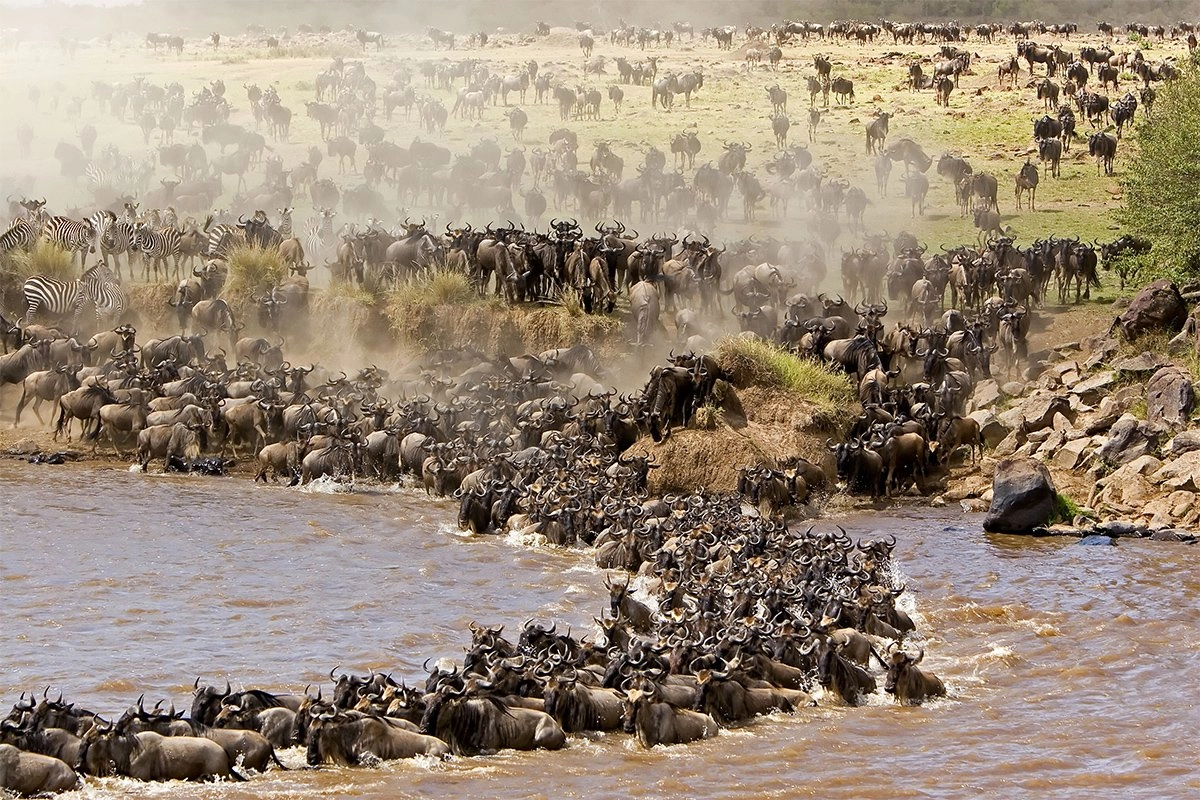
One of Tanzania's must visit destinations in the Northern circuit. The great wildebeest migration in central Serengeti each year is one experience you cant miss.
Kilimanajro Adventures
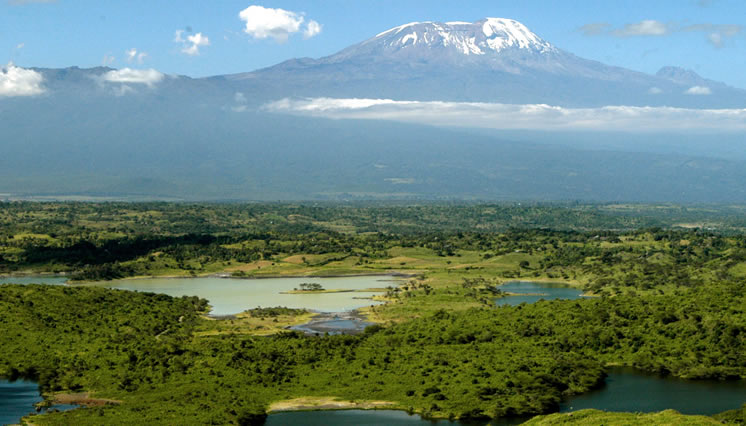
For adventure travellers, Kilimanjaro stands out. Located in Kilimanajro region, there are best times to hike to the top especially during the dry months of June july and August.
Camping Safaris
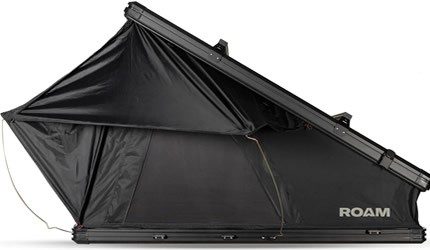
There are best time s to go camping in Tanzania. Travelling during the peak season, you will save onhighly priced safari lodges. And during the low wet season expect a good deal.
The great migration
Following the world’s largest mammal migration
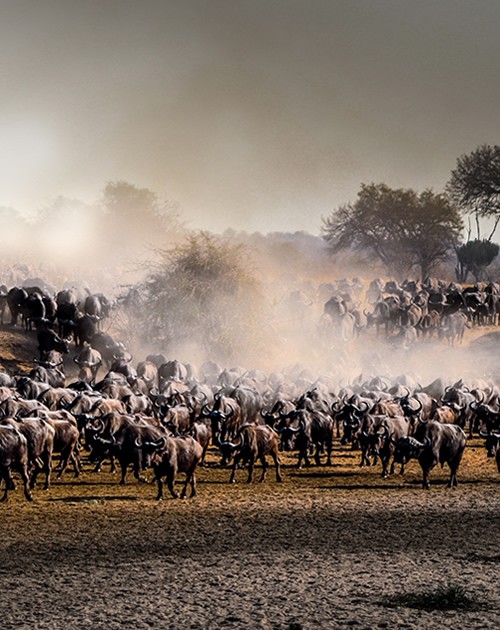
The Great Wildebeest Migration is the largest terrestrial animal movement on the planet — more than two million wildebeest, zebras, and gazelles completing a continuous clockwise circuit between Tanzania’s Serengeti and Kenya’s Masai Mara in relentless pursuit of fresh grazing and water. The cycle begins with calving on the Ndutu plains from January to March, before the herds gradually trek north through the central Serengeti in April and May. By July and August, they reach the Mara River, triggering the iconic and dangerous crossings that attract predators and wildlife photographers from around the world. From October onwards, the herds turn southward again, completing the loop and returning to Tanzania for the next calving season.
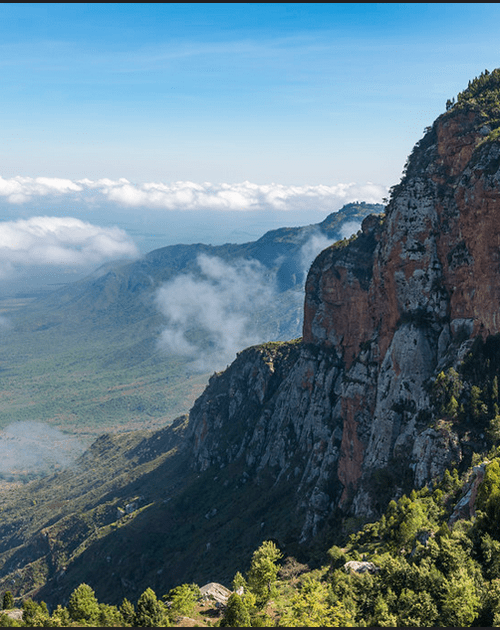
For Kilimanjaro trekkers, conditions are equally weather-dependent. The clearest skies and most stable temperatures — ranging from 25 to 27°C during evenings and early mornings — align with the long dry season, when hikers can expect well-maintained trails, panoramic summit views, and a higher likelihood of encountering wildlife, including monkeys and antelope, on the lower mountain slopes.
Vehicle Requirements
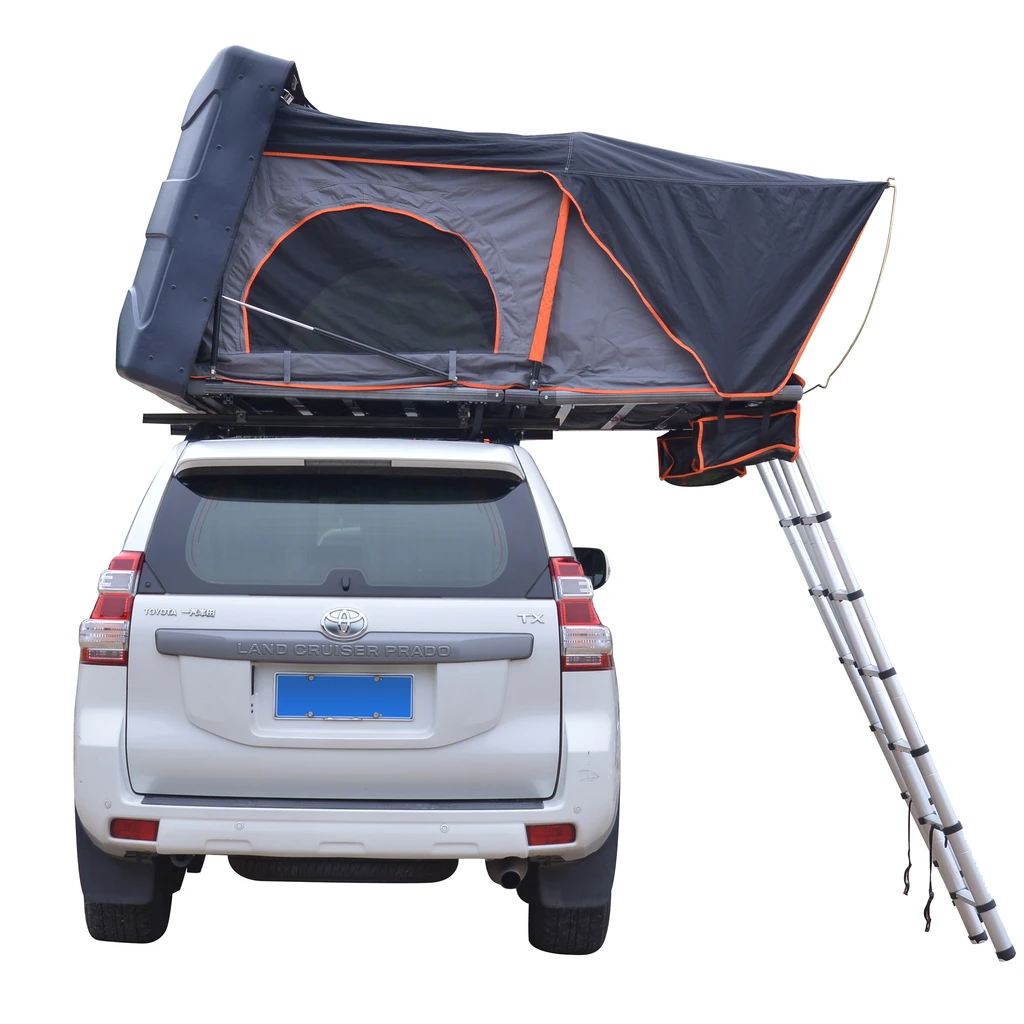
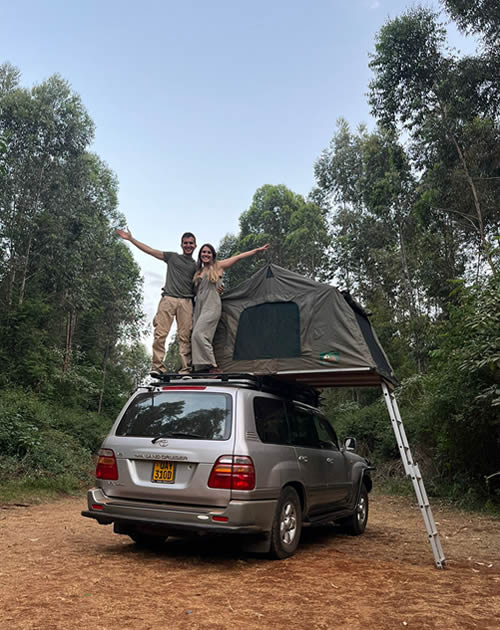
A 4×4 is non-negotiable. Safari trucks take a real beating on Tanzania’s dirt roads — flat tyres are common, and stone chips in the windscreen are a frequent occurrence. You must ensure your rental vehicle is covered by comprehensive insurance, including coverage for off-road driving. Most reputable rental companies provide rooftop tents, GPS navigation, recovery gear, and pre-loaded park permits.
Licenses & Documentation; A visitor will be able to rent a car and obtain permits to enter national parks with the aid of an International Driving Permit (IDP), which is a legal document that confirms your license worldwide and is valid for 12 months.
Costs & Fees (2025–2026)
Self-driving can be significantly cheaper than guided safaris, especially for groups and long stays. Key costs to budget for include:
- Fuel: Gas costs around $1.20 per liter in 2025.
- Food: If you cook your own meals, budget around $5–$15 per person per day. Local restaurant meals (“Mama Ntilie” style) run $2–$6, while tourist restaurants in towns like Arusha cost $10–$25 per meal.
- Camping: Public campsites are basic but affordable, offering shared toilets, showers, and cooking areas. Special campsites are wild with no facilities — bring everything, including water and cooking gear, for the ultimate wilderness experience.
- The Ngorongoro Permit should be secured through your car rental company before you go; the rest of the park tickets can be purchased on arrival.
Safety & Practical Tips; Key precautions include: keeping the fuel tank full and carrying extra fuel since gas stations can be scarce near national parks; having a list of emergency contacts including local authorities and park rangers; and always adhering to wildlife guidelines related to noise and waste. Campsites in Tanzania are generally nicer than elsewhere in East Africa — you can expect a clean toilet and a working shower even when you’re deep in the Serengeti.
Final Verdict; For self-drive safaris specifically, June to October offers the best combination of dry, passable roads, concentrated wildlife, and predictable conditions. The trade-off is higher costs and more traffic. January–February is the sweet spot for budget-conscious travellers who still want spectacular wildlife viewing — especially the calving season drama — without peak-season prices.