
Mgahinga National Park: Uganda’s Volcanic Sanctuary of Wildlife, Culture, and Adventure
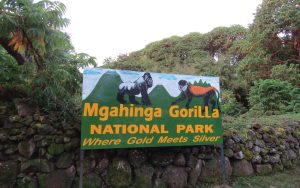
Mgahinga National Park, located at Uganda’s southwestern tip, is a unique destination where volcanoes, rare wildlife, and indigenous culture converge. Part of the Virunga Mountain Range, the park protects endangered mountain gorillas, vibrant golden monkeys, and countless bird species. Visitors also encounter the Batwa community, whose history intertwines with the forest. Despite its small size, Mgahinga offers an abundance of experiences, from hiking and trekking to cultural immersion and photography.
The park’s landscapes are dominated by three extinct volcanoes—Mount Muhabura, Mount Sabyinyo, and Mount Gahinga—creating dramatic scenery. Each volcano has its own trails, wildlife habitats, and observation points. Additionally, the park protects bamboo forests, montane forests, and Afro-alpine moorlands. These habitats support both rare and common species, offering ecotourists endless exploration opportunities. For travelers, Mgahinga is a compact but powerful destination where adventure, conservation, and culture intersect seamlessly.
Geography and Volcanoes: The Heart of Mgahinga National Park
Mgahinga’s volcanic terrain forms the backbone of the park’s geography. Mount Muhabura, the highest peak at 4,127 meters, rises sharply and dominates the skyline. Its slopes provide challenging hikes and breathtaking views across Uganda, Rwanda, and the Democratic Republic of Congo. Hikers often spot rare birds, small mammals, and unique plants along its paths. Clear days reveal distant volcanic peaks and forested valleys, making Muhabura a favorite for photography enthusiasts and mountaineers.
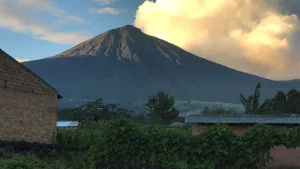
Mount Sabyinyo is immediately recognizable by its jagged ridge. Its summit marks the convergence of three national borders, offering a unique geographic experience. The mountain’s steep and rocky terrain makes climbing an adventure suited to experienced trekkers. Guides accompany visitors to ensure safety while highlighting geological formations, volcanic soil deposits, and local flora.
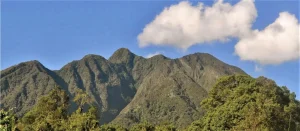
Mount Mgahinga, with gentler slopes and a crater swamp at its summit, provides less strenuous hikes. The bamboo forests along its trails serve as habitats for golden monkeys and bird species. Hikers can enjoy close interaction with the environment, observing how nature thrives in volcanic soil. Together, these volcanoes form Mgahinga’s iconic backdrop and shape its biodiversity.
Climate and Ecosystems: A Mosaic of Life
The climate in Mgahinga National Park varies with altitude. Lower elevations are warm and humid, while higher altitudes are cooler and misty. Rainfall is abundant during the long rainy season, creating lush landscapes, while the dry season offers clearer skies for trekking. Seasonal variation influences animal behavior and plant growth, which visitors can observe firsthand.
The park contains three main ecosystems. Montane forests occupy the lower slopes, filled with moss-covered trees, orchids, and ferns. Bamboo forests dominate mid-altitude zones, providing essential habitat for golden monkeys. At higher elevations, Afro-alpine moorlands thrive with giant lobelias and senecios, supporting unique wildlife adapted to thin air and cold temperatures. These ecosystems form interconnected habitats where birds, mammals, and insects interact in complex ways.
The fertile volcanic soils support endemic plant species and attract foraging animals. Trails often reveal animal tracks, feeding marks, and flowering plants. The park’s varied ecosystems make it an excellent destination for ecologists, photographers, and nature lovers.
Wildlife of Mgahinga National Park: Rare Primates and Forest Species
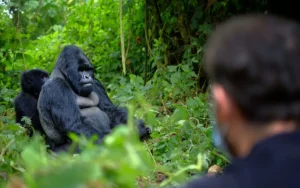
Mgahinga National Park is globally recognized for its wildlife, particularly mountain gorillas. The park hosts a habituated gorilla family, allowing visitors to observe these majestic primates safely. Treks provide an intimate view of silverbacks, mothers, and playful juveniles interacting in the forest. Guides explain their social behavior, diet, and habitat requirements, offering both education and awe-inspiring experiences.
Golden monkeys add color and energy to the park’s wildlife. Found in bamboo forests, these monkeys leap gracefully among stalks, often moving in large, lively troops. Tracking them is fast-paced, requiring focus and agility, but it rewards visitors with dynamic and unforgettable wildlife encounters.
Mgahinga also shelters duikers, bushbucks, forest hogs, and occasional forest elephants. Birdlife is abundant, with highland specialists like turacos, sunbirds, and white-spotted flufftails. Reptiles, amphibians, and insects further enrich the park’s biodiversity. This combination of rare primates and forest species makes Mgahinga a true sanctuary.
Gorilla Trekking: A Life-Changing Encounter
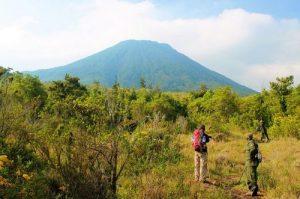
Gorilla trekking in Mgahinga is a once-in-a-lifetime experience. The trek begins early, with guides providing instructions on safe interaction. Visitors hike through bamboo forests and mossy trails, observing wildlife and forest plants along the way. Reaching the gorilla family is a rewarding moment, allowing close observation of social behaviors, feeding routines, and family dynamics.
The hour spent with gorillas leaves a lasting impression. Visitors often report a deep emotional connection, inspired by the animals’ intelligence and gentle strength. Treks also support conservation, as permit fees fund protection efforts for both gorillas and their habitats. The experience combines adventure, education, and a profound sense of stewardship.
Golden Monkey Trekking: Fast and Fascinating
Golden monkey trekking offers a lively contrast to gorilla encounters. These primates inhabit dense bamboo zones and move with remarkable agility. Trekkers follow their playful groups, witnessing feeding, grooming, and social interaction. The activity typically lasts a few hours and suits moderately fit visitors who enjoy dynamic wildlife observation.
Guides explain the monkeys’ diet, habitat needs, and behaviors. Along the way, trekkers also encounter other wildlife, rare plants, and bird species. Golden monkey trekking highlights the importance of bamboo forests in supporting biodiversity and demonstrates how small habitats can sustain endangered species.

Volcano Hiking and Ridge Walks
Volcano hiking and ridge walks challenge adventurers while revealing breathtaking scenery. Mount Muhabura offers steep ascents with panoramic views across multiple countries. Hikers observe volcanic formations, rare plants, and distant valleys. Mount Sabyinyo provides rugged terrain and sharp ridges, ideal for experienced trekkers seeking unique summit experiences. Mount Gahinga features gentler trails and a crater swamp, perfect for immersive hikes in a quieter setting.
Ridge walks connect peaks, offering continuous views of the Virunga Mountains. Guides explain the geology, ecology, and local culture, adding educational value to the adventure. Hiking at sunrise or sunset enhances the experience, casting dramatic light over misty forests and volcanic ridges. These walks combine physical activity, learning, and visual spectacle.
Nature Walks and Birding: Observing the Highlands
Nature walks and birding in Mgahinga provide a slower, immersive experience. Visitors follow trails guided by knowledgeable rangers who point out animal tracks, plant uses, and ecosystem interactions. Observers spot highland birds like turacos, sunbirds, and forest robins, each adapted to misty, cool habitats.
These walks reveal subtle wildlife signs, such as feeding marks, nests, or insect activity. Early morning often produces the best sightings, as birds and mammals become active. Walks suit travelers who enjoy observation, photography, and learning about forest dynamics. The combination of guided knowledge and patient exploration offers an enriching connection with Mgahinga’s ecosystems.
Batwa Cultural Visits: Connecting with Heritage
Batwa cultural visits highlight the traditions of Uganda’s indigenous forest people. Guides share knowledge about hunting, gathering, medicinal plants, and spiritual practices tied to the forest. Visitors witness traditional music, dance, and storytelling that preserve ancestral history.
These experiences provide insight into sustainable living and forest stewardship. Tours also support community development, funding education, healthcare, and cultural preservation programs. Engaging with Batwa culture fo
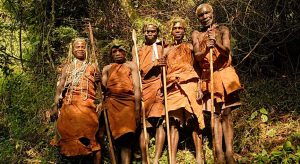
sters respect for human history while complementing the park’s conservation focus.
Accommodation Options near Mgahinga National Park
Visitors can stay in lodges near the park, as construction inside the park is restricted to protect wildlife. Mount Gahinga Lodge offers handcrafted bandas, private fireplaces, and volcano views. Ichumbi Lodge in Kisoro provides spacious cottages with balconies overlooking the Virunga Mountains. Its location allows easy access to trekking and supports community initiatives.
Other options include Traveler’s Rest Hotel and Lake Mulehe Safari Lodge, offering mid-range comfort and scenic surroundings. Budget travelers can find guesthouses in Kisoro town with clean rooms, local cuisine, and friendly service. These accommodations balance comfort, convenience, and sustainable tourism.
Conservation Efforts: Protecting Wildlife and Habitat
Mgahinga National Park combines community involvement with strict conservation measures. Gorilla and golden monkey trekking are regulated to prevent habitat disturbance. Ranger patrols monitor wildlife and prevent poaching.
Community-based programs engage local residents, providing alternative livelihoods, education, and cultural preservation. Transboundary cooperation with Rwanda and Congo ensures protection for species that cross borders. Conservation in Mgahinga balances tourism, ecology, and human well-being, safeguarding the park for future generations.
Best Time to Visit Mgahinga National Park
The ideal months are December to February and June to September, offering dry trails and clearer skies. Rainy seasons create lush landscapes but make hiking more challenging. Early bookings are essential for gorilla trekking permits, as demand is high. Travelers should prepare for variable weather, bring sturdy footwear, and carry essentials like water, sunscreen, and insect repellent.
Travel and Accessibility
Mgahinga is accessible by road from Kisoro town. The drive passes rolling hills, terraced farms, and rural communities, offering scenic views along the way. Visitors can also fly to Kisoro airstrip and transfer to nearby lodges. A 4WD vehicle is recommended, especially during the rainy season, as some trails and roads become slippery.
Photography Opportunities
Photographers find Mgahinga highly rewarding. Misty forests, active primates, panoramic volcano ridges, and colorful bird species provide diverse subjects. Sunrise and sunset light enhance landscapes, while cultural interactions with the Batwa offer unique storytelling shots. Photography encourages patience and attention, making every trail an opportunity for memorable images.
Conclusion: Why Mgahinga National Park Matters
Mgahinga National Park is a compact, yet ecologically and culturally rich destination. Its volcanoes, rare wildlife, diverse ecosystems, and Batwa heritage make it unique. The park demonstrates that conservation, tourism, and community support can coexist successfully.
Visitors leave with unforgettable wildlife encounters, insights into indigenous culture, and experiences of raw volcanic landscapes. Whether trekking with gorillas, watching golden monkeys, hiking volcanic peaks, or walking through misty forests, Mgahinga inspires awe and fosters a deeper connection to nature.