
Ruaha National Park in Tanzania: The Traveler’s Choice.
Rauha National Park that is situated in southern Tanzania just 130 kilometers south of Serengeti National Park and westward of Iringa and Selous Game Reserve is the nation’s second biggest protected area. The Saba Game Reserve was the original name of the protected area when it was created in 1910 and the name was changed to Rungwa Game Reserve later in 1946 and Ruaha National Park was subsequently gazette as the southern portion of the reserve.
The park used to be 13000 square kilometers, but now it is 20226 square kilometers (7,809 square miles) because it increased when Usangu Game Reserve was added in 2008, as a result, the park is a component of the Rungwa-Kizigo-Muhesi ecosystem, which also contains the Mbomipa Wildlife Management Area, the Kizigo and Muhesi Game Reserves, and the Rungwa Game Reserve. Ruaha National Park was designated as a lion conservation unit in 2005, and Birdlife International recognized the Usangu river as one of the Important Bird Areas (IBAs). The river Ruaha, which flows through the southeast portion of Ruaha National Park, inspired the name of the protected region and a variety of species, especially migrating birds, are drawn to the river.
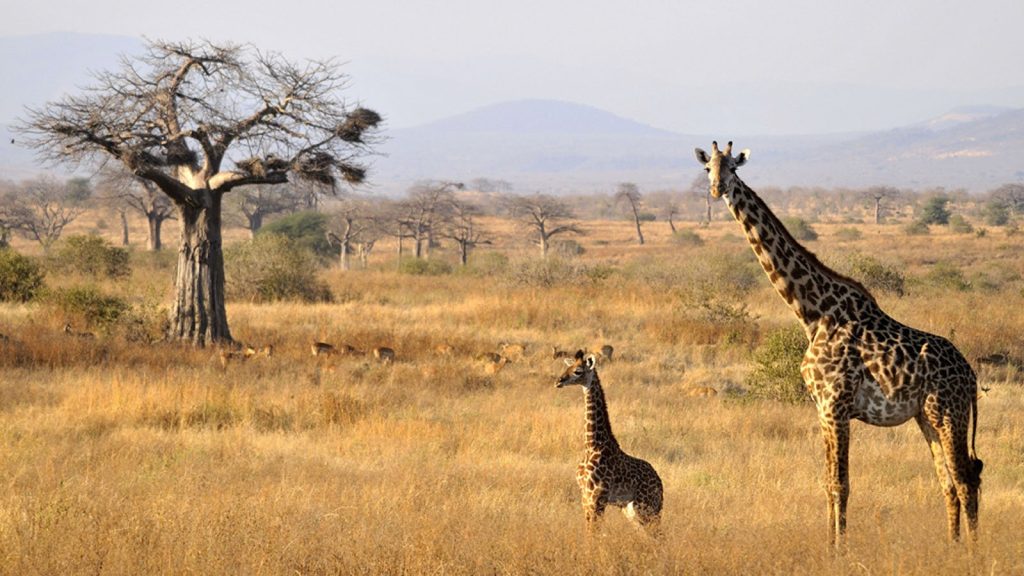
Ruaha National Park’s Vegetation.
Few of the various plant types that cover Ruaha National park include; riverine forests, Miombo woods, open savannah with acacia trees, kopjes, dry bush areas, rolling hills, flat plains, and swamps also numerous rivers, including the Great Ruaha River, River Jongomero, Mwagusi, and Mzombe, are also found in Ruaha National Park and act as the park’s lifeline with crocodiles, hippos, and other aquatic animals being inhabited by the waterfalls along the Ruaha River home.
The Ruaha River is reduced to a few valuable waterholes in the dry season, which predators fully exploit by waiting in silence for the antelope herds that come to drink and the finest hunting area in the park is the riverine vegetation along the river’s borders, which gives predators adequate cover, the vegetation offers the ideal habitats for some plant and animal species and they are best observing areas for game viewing.
Ruaha National Park Wildlife.
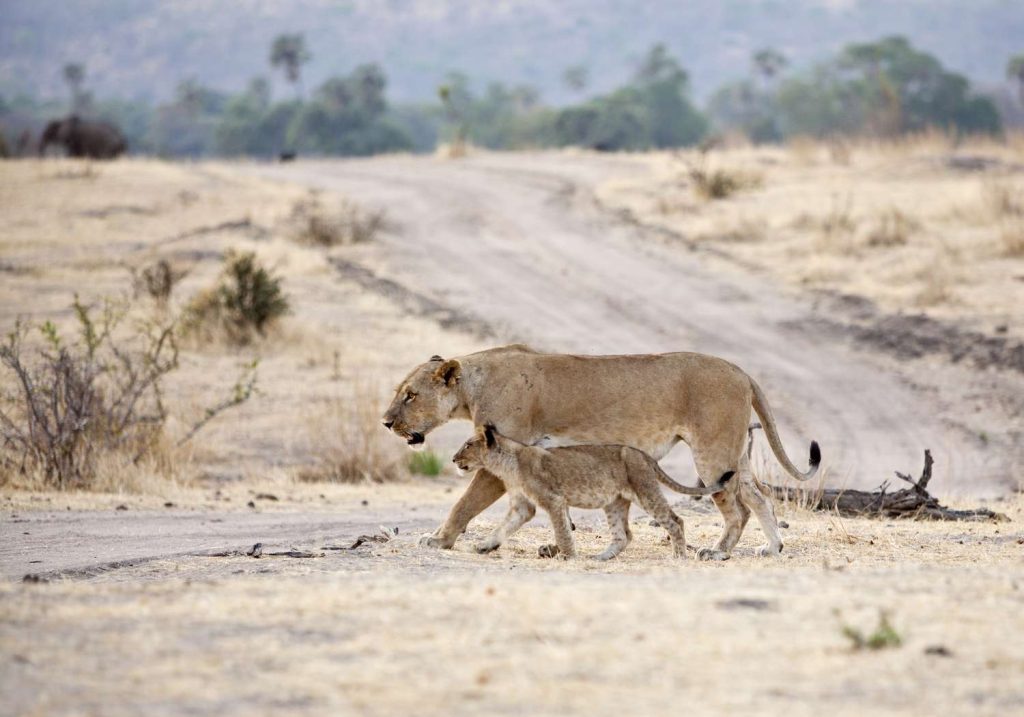
With over 10,000 of population of fascinating elephants, Ruaha National Park is renowned for having one of the largest populations of elephants in East Africa. Nonetheless, the park is home to a variety of animals, including common, infrequent, and sporadic species like lion, cheetah, wild dog, leopard, hyena, jackals, bat-eared foxes, elephants, buffalo, white and black rhinos, giraffes, wildebeest, hippos, zebras, smaller and larger kudus, elands, and antelope are some of them and rare antelope species, such as roan and sable antelopes can be found in the protected region.
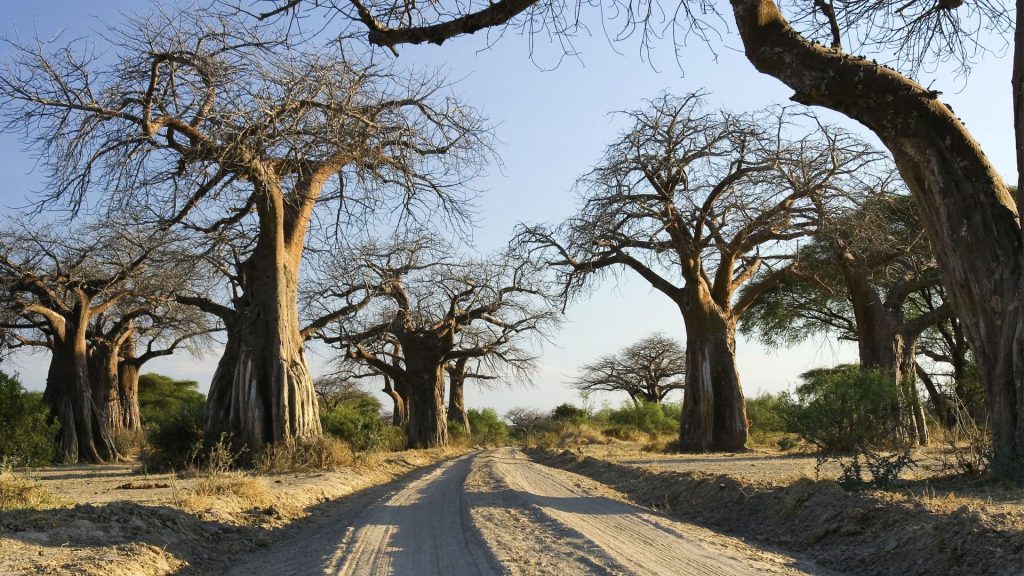
Ruaha National Park is the sole park in East Africa that has both greater and lesser kudu, it also has over 570 bird species, including migratory and indigenous species like the Southern ground hornbiil, emerald-spotted wood dove, Tanzanian red-billed hornbill, Spur-winged geese Black-bellied bustard, crested barbet, ashy starling, Yellow-collared lovebird, collared palm-thrush, Bateleur, and giant kingfisher which can be found in savannah forests with baobabs and acacias.
Activities In Ruaha National Park.
Viewing one of the biggest elephant populations in Tanzania, along with famous animals like lions, leopards, cheetahs, wild dogs, and buffalo herds, is just one of the many possibilities available to visitors on an African safari vacation. Also, numerous antelope species, such as sable antelope and larger kudu, may be seen in the park and there is an opportunity to see more than 570 bird species, such as the uncommon Ruaha Red-billed Hornbill and the African Pygmy Goose which excite birdwatchers.
In addition to offering opportunities to see the fabled baobab tree, Rauha offers breathtaking scenery for activities like game drives, walking safaris, and cultural exchanges with the Hehe people, who were formerly led by the fierce Chief Mkwawa therefore anyone who wants to see the true grandeur of Tanzania’s nature without having to deal with the crowds that are frequently present in the Serengeti and other northern parks like Ngorongoro, Tarangire, and Kilimanjaro should make time to visit Ruaha National Park because of the following activities that it offers;
-
Game drives
A game drive is a phenomenal component of Tanzanian wildlife safaris as you drive or be driven in 4WD cars across Ruaha National Park’s varied landscapes which gives you ample chances to see a variety of species along with stunning lions, secretive leopards, and cheetahs, one of Tanzania’s biggest herds of elephants. Additionally, you could come across groups of zebras, buffalo herds, and other antelope species, including impala, sable antelope, and greater kudu and these excursions usually take place in the early morning or late afternoon because at this time the animals are most active.
-
Night game drives.
The opportunity to see the park’s nocturnal fauna is offered via night game drives in Ruaha National Park. These drives, led by knowledgeable rangers, make it possible to observe animals like bushbabies, civets, the African wildcat, and the elusive aardvark that are rarely seen during the day. A thriving ecology that flourishes after sunset is revealed by the darkness. Any Tanzanian safari would benefit from night drives, which offer another viewpoint on the park’s fauna. Make sure your camera is prepared for those unforeseen encounters at night.
- Birding
Ruaha National Park is one of Tanzania’s top bird watching destinations with more than 570 bird species like the uncommon Ruaha Red-billed Hornbill, the endangered Yellow-collared Lovebird, and the African Pygmy Goose, during the appropriate seasons, visitors may also see a variety of migratory birds and raptors, such as the Bateleur. So, an African safari packages often include bird watching trips, giving visitors access to professional guides and the best viewing spots and the park’s varied habitats, which include forests, marshes, and savannahs, provide the perfect environment for a variety of bird species hence improving your Tanzanian safari regardless of your level of bird watching expertise.
- A river cruise
The enormous Rauha River provides an opportunity for nature lovers to be able to embark on boat cruises and witness crocodiles and hippos enjoying witness the sun on river excursions and during the dry season, a variety of animal species may be spotted drinking from the river’s beaches.
- Camping
In Ruaha National Park, camping under the sky offers an opportunity to establish a connection with the natural world with the sounds of the wild at night, from the distant roars of lions to the cries of owls, may be enjoyed by guests staying at designated campsites. Meals cooked over an open fire are a common feature of guided camping trips, adding to the thrill hence making it ideal for those looking for a rough connection to Tanzania’s bush.
-
Walking safaris or nature walks.
In Ruaha National Park, guided walking safaris facilitate a stronger bond with the natural world and they are guided by experienced guides hence allowing you to explore on foot for unique sightings of smaller animals like bushbucks and dik-diks, tracing animal footprints, and gaining knowledge about the environment. Those who value the nuances that are sometimes missed during wildlife drives are catered to by walking safaris. Those who want to learn more about Tanzania’s plants and animals will benefit greatly from this exercise. Remember to bring your camera because these interactions can present fantastic chances to take pictures of both scenery and wildlife.
-
Visits to the Hehe People’s Culture
Engaging with the Hehe people while at Ruaha National Park offers a distinctive cultural experience. This tribe is well-known for its cultural significance, especially during Chief Mkwawa’s opposition to German colonial control. Traditional music, dances, and glimpses into everyday life and traditions are all part of cultural trips and the local populations and their attachment to the environment are better understood as a result of these interactions. Therefore, this experience enhances your Tanzanian safari by highlighting the cultural elements that enhance the area’s natural beauty.
- The Ideal Time to Visit Rauha National Park.
The dry season, which runs from June to October, is the ideal time to explore Ruaha National Park because animals gather around water sources during this time of year, making it fantastic for wildlife viewing. The wet season, which runs from November to April, is the best time to see birds since it draws migrating species.
Lodging In the Ruaha National Park
The park offers a variety of lodging options, from affordable to mid-range to luxurious like Kigelia camp, Jongomero camp, Jabali Ridge, Ruaha River lodge, Mwagusi safari camp, Tandala tented camp, Sunset mountain resort, Ruaha hilltop lodge, and Jabali Ridge and also, visitors can choose mobile tented camps for a more authentic experience that offer a close-knit relationship with the natural world while maintaining convenience and safety during their safari excursions.
How To Get into The Park
Depending on the traveler’s preference, Ruaha National Park can be reached by plane or by car. The majority of road trips to Ruaha National Park begin from Julius Nyerere airport in Dar es Salaam and it takes ten to twelve hours to complete the trip. However, as the trip between Ruaha and Mikumi National Park takes five hours, visitors can combine the two. You may take regular or chartered flights by air, such as Coastal Aviation or Auric Link. These flights depart from Dar es Salaam, Arusha, Kigoma, and Dodoma and arrive at Msembe and Jongomero airports in the Iringa district of Ruaha National Park.