
- admin
- April 5, 2026
- 4x4 Self drive Tours
Self-Drive Camping Road Trips in Tanzania: The Complete Guide to One-Way 4WD Rentals and Bush Camping
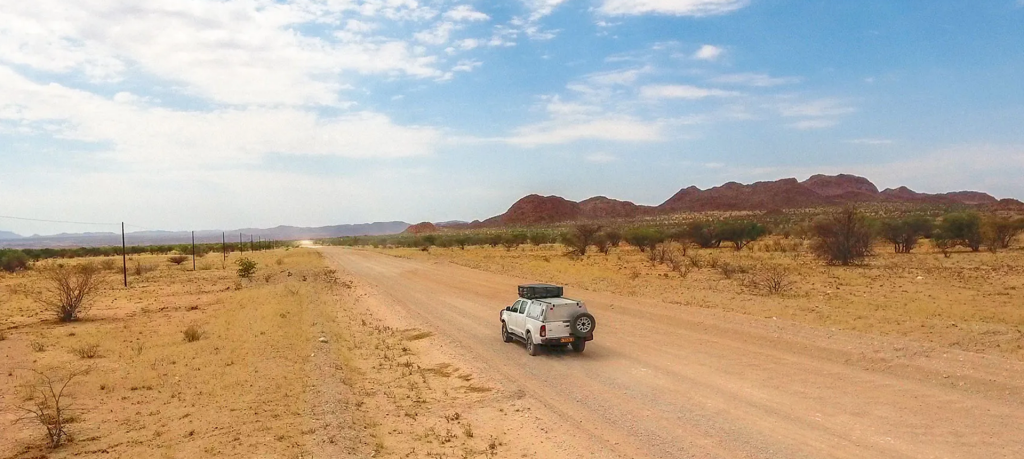
Tanzania is one of Africa’s last great frontiers for independent overland travel. While guided safaris remain popular, a growing tribe of adventurous travellers is discovering the rewards of self-drive camping trips in Tanzania — navigating red-dirt tracks at their own pace, waking to lion calls from a rooftop tent, and crossing borders or districts on flexible one-way rental agreements. If you have been searching for information on Tanzania self-drive safari with rooftop tent, one-way 4WD rental Arusha to Dar es Salaam, or bush camping without a guide in Tanzania, this guide covers everything you need to plan your journey.
Why Choose a Self-Drive Camping Trip in Tanzania?
The freedom of a self-drive trip in Tanzania is incomparable. You set departure times, linger at a waterhole as long as you like, and cook dinner under the Milky Way rather than returning to a lodge on schedule. For budget-conscious travellers, combining a rental vehicle with camping dramatically reduces daily costs compared to lodge-based guided tours. A budget self-drive camping safari in Tanzania can be done for a fraction of the price of a commercial package, especially when two to four people share the vehicle and split site fees.
Tanzania’s road network, while variable, is manageable for anyone with moderate off-road experience. Tarmac connects major towns, while laterite and gravel tracks lead into the wild areas. The key is choosing the right vehicle and planning around seasonal conditions.
Choosing the Right Vehicle for Self-Drive Camping in Tanzania
The single most important decision is your rental vehicle. A standard saloon car is entirely unsuitable. For most self-drive camping itineraries in Tanzania, you need a 4WD vehicle with a rooftop tent rental in Tanzania — ideally a Toyota Land Cruiser 70 or 78 series, a Toyota Hilux double cab, or a Land Rover Defender. These platforms handle corrugated tracks, river crossings, and soft volcanic soil in areas like the Ngorongoro Highlands and Ruaha.
Look for rental packages that include: a rooftop tent, sleeping bags rated to at least 5°C, a fridge or cooler box, a camp kitchen kit, a high-lift jack, two spare tyres, a sand recovery board, and a first aid kit. Several self-drive 4WD hire companies in Arusha and Dar es Salaam offer these fully-equipped expedition packages. Confirm what is and is not included, as hidden extras can add significantly to your bill.
Understanding One-Way 4WD Rentals in Tanzania
One-way rentals are transformative for route planning. Instead of doubling back, you can design a one-way self-drive route from Arusha to Zanzibar ferry, fly out from Kilimanjaro International Airport and drop the vehicle in Dar es Salaam, or enter overland from Kenya and exit into Zambia via the TAZARA corridor.
Most rental companies in Tanzania charge a one-way drop fee that varies by distance and route. Expect to pay between USD 150 and USD 400 for common routes like Arusha to Dar es Salaam one-way 4WD rental, with fees climbing for cross-border arrangements. Always confirm in writing whether the company allows international crossings — not all vehicles are cleared for travel into Mozambique, Malawi, or Zambia, and cross-border insurance must be arranged separately.
When booking a one-way rental, check: the vehicle age and condition, whether a GPS tracker is installed, the excess on the insurance policy, and the company’s policy on mechanical breakdowns in remote areas. Reputable operators provide 24/7 roadside assistance contact numbers and have replacement vehicles or parts arrangements with regional partners.
Top Self-Drive Camping Routes in Tanzania
Northern Circuit: Arusha to Serengeti via Ngorongoro
The northern Tanzania self-drive camping route is the most popular and best-supported for independent travellers. Starting in Arusha, the route passes Tarangire National Park, loops through the Ngorongoro Conservation Area (NCA), and descends into the Serengeti.
Camping in Tarangire at a public campsite in Tarangire National Park costs around USD 30–50 per person per night through TANAPA (Tanzania National Parks Authority), plus park entry fees. The NCA has designated campsites in the crater highlands — booking these well in advance is strongly recommended, especially during the July-to-October dry season when demand peaks.
In the Serengeti, special campsites in the Serengeti for self-drive visitors allow you to pitch in remote areas of the park, away from the central Seronera corridor. These require advance booking through the NCA and TANAPA systems online. Do not expect facilities — these are true bush camps with a fire ring and nothing more.
Southern Circuit: Ruaha, Selous, and the Swahili Coast
Less visited and deeply rewarding, the southern Tanzania self-drive safari route runs through Mikumi National Park, skirts the Selous Game Reserve (now officially Nyerere National Park), and continues toward the coast. This is a longer, more demanding drive — covering this loop comfortably requires at least 14 to 18 days.
Public campsites in Ruaha National Park are basic but beautifully situated along the Great Ruaha River. Elephants and hippos are regular night visitors — never leave food in the tent, and always scan the path before leaving the vehicle after dark. The self-drive camping experience in Ruaha National Park rewards patience; lion and wild dog sightings are exceptional here with far fewer vehicles than the northern parks.
Western Tanzania: Katavi and Lake Tanganyika
For the most intrepid self-drivers, Katavi National Park self-drive camping in western Tanzania is a frontier experience. The park sees very few visitors, the tracks are rough and sometimes barely marked, and the wildlife density — particularly buffalo and crocodile along the Katuma River — is staggering. Combine this with a descent to Lake Tanganyika at Mahale or Gombe Stream (where chimpanzees are tracked on foot) for a western Tanzania one-way 4WD camping itinerary that few travellers ever manage.
Camping Regulations and Fees in Tanzania
Tanzania’s national parks distinguish between ordinary campsites (shared facilities, fixed locations, lower cost) and special campsites (exclusive use, remote, bush-only, higher cost). For a typical self-drive trip:
Ordinary campsites run USD 30–50 per person per night. Special campsites are USD 50–70 per person per night. Both are subject to conservation fees and vehicle fees. Fees must be paid via the official TANAPA or NCAA online portal, or at park gates — do not pay cash directly to rangers.
Wild camping outside designated sites is not permitted in national parks or the NCA without a special research or filming permit. In game management areas (GMAs) bordering parks, dispersed camping on a self-drive trip in Tanzania’s game management areas may be possible with permission from the relevant Wildlife Management Authority.
Best Time for a Self-Drive Camping Trip in Tanzania
The best time for self-drive camping in Tanzania is the long dry season from late June through October. Roads are passable, wildlife concentrates around water sources, and nights are cool and clear. The short dry season in January to February is also good for the Serengeti calving season.
Avoid the long rains of March to May — many park tracks become impassable even in a 4WD, and some campsites close entirely. The short rains of November are generally manageable in the north but can complicate southern routes.
Final Planning Tips for Self-Drive Camping in Tanzania
Book your campsites a minimum of 60 to 90 days ahead for peak season travel. Download offline maps using apps such as Maps.me or Gaia GPS before you lose signal — coverage is patchy outside towns. Carry sufficient fuel (a 30-litre jerry can is standard), as fuel stations are sparse between major centres. Learn the basics of tyre changing and how to use a high-lift jack before departure — assistance on remote tracks can take hours to arrive.
A self-drive camping road trip in Tanzania asks more of you than a guided safari, but the rewards — solitude, spontaneity, and the profound satisfaction of finding your own way through one of the world’s great wildlife landscapes — are worth every kilometre of red dust.
Park fees and rental rates change periodically. Always verify current costs with TANAPA, NCAA, and your rental operator before travel.
Most Popular
- All Posts
- 4x4 Self drive Tours
- Adventure Safaris
- East Africa Tours
- Wildlife Tours
It presents a wrist-hugging oval of gold, punctuated with.