
- admin
- April 23, 2026
- Adventure Safaris
Grumeti: Where the Wild Things Cross — An Exclusive Safari in the Western Serengeti
The western corridor of the Serengeti is not the Serengeti most people imagine. There are no Instagram-ready lodges perched on kopjes with a hundred other travellers. There is no queue for the best viewing angle. Here, in the shadow of the Grumeti River, the wilderness operates entirely on its own terms — and that, above everything else, is what makes it so extraordinary.
A Different Kind of Serengeti
Tanzania’s Serengeti National Park stretches across nearly 15,000 square kilometres of east African savanna — one of the oldest and most ecologically intact ecosystems on the planet. Most visitors enter from the south or east, moving through the central plains and the famous Seronera valley. But the western corridor, straddling the Grumeti River, is a different proposition entirely. It is remote, relatively undisturbed, and offers an experience that feels genuinely wild in a way that is increasingly rare in modern safari travel.
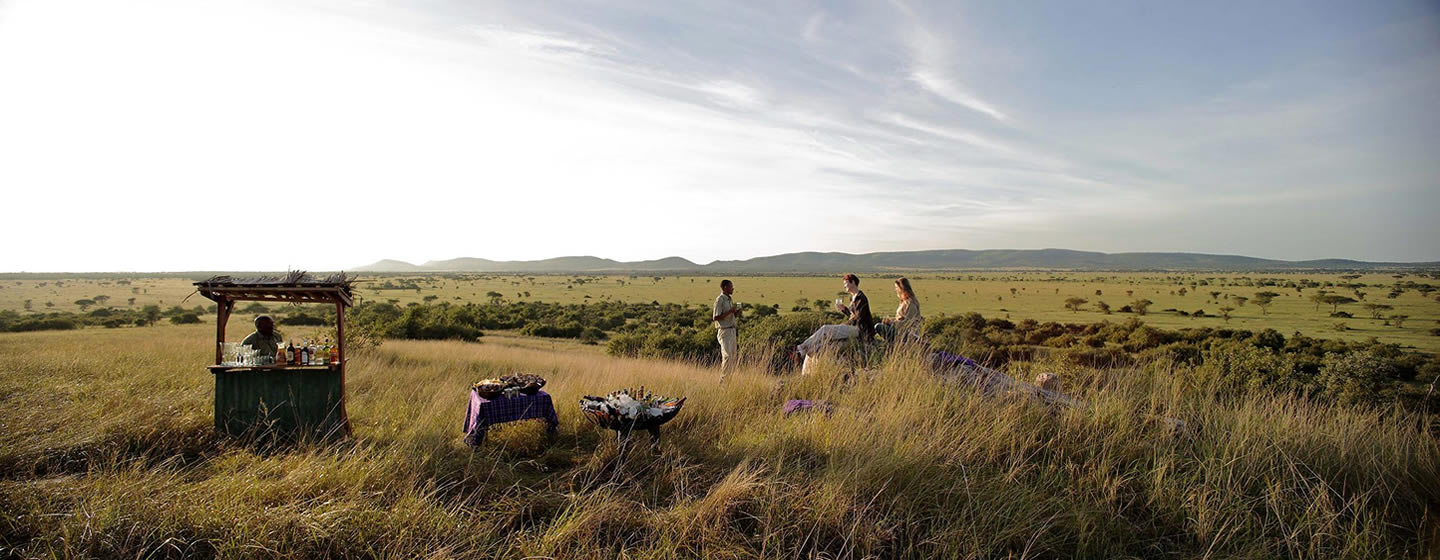
The Grumeti ecosystem encompasses the national park’s western reaches as well as a series of private conservancies that border it, most notably the Singita Grumeti Reserves — a vast, 350,000-acre private concession that operates under a long-term partnership with the Tanzanian government. Access to this concession is strictly limited. Visitor numbers are kept intentionally low, density of tourism infrastructure is minimal, and the result is an intimacy with the landscape that feels earned rather than packaged.
Whether you are based in the national park or within the private reserves, the Grumeti region offers what many consider to be the most exclusive, unspoiled safari experience in the entire Serengeti ecosystem.
The Grumeti River and Its Legendary Crossings
The name Grumeti belongs to the river that winds and pools its way through the western corridor, and for wildlife enthusiasts, that river carries enormous weight. It is here, between the months of May and July, that one chapter of the Great Migration plays out with savage, unforgettable drama.
The Great Migration is the continuous circular movement of roughly 1.5 million wildebeest — along with hundreds of thousands of zebra and gazelle — across the Serengeti-Mara ecosystem. Most travellers think of the Mara River crossings in the north, typically between July and October, as the defining spectacle of the migration. But the Grumeti crossings, which occur earlier in the calendar as the herds push northward through the western corridor, are arguably more intense for a crucial reason: the Nile crocodiles.
The Grumeti River is home to some of the largest Nile crocodiles in Africa. In certain slow-moving, sun-baked pools along the river, crocodiles accumulate in numbers that seem almost prehistoric — enormous, thick-jowled reptiles that can measure four to five metres in length and weigh close to a tonne. They spend much of the year in a state of patient, almost meditative stillness, waiting. When the wildebeest arrive, everything changes.
The crossings themselves are chaotic and visceral. Thousands of animals mass on the riverbank, nervous and hesitant, the pressure of those behind eventually overcoming the reluctance of those in front. When the first wildebeest plunges in, the river erupts. Crocodiles launch themselves with a speed that seems impossible for their bulk. Calves struggle against the current. The fortunate ones scramble up the opposite bank and race into the long grass. Others do not make it. There is nothing sanitised about it — it is nature operating without apology, and it is one of the most powerful wildlife spectacles on earth.
For safari guests in the Grumeti region during May, June and July, witnessing a crossing is not guaranteed (wildlife never is), but the probability is high. Private guides with deep knowledge of the river and its herds can position vehicles at prime locations days in advance, and because the conservancies operate with so few vehicles on any given road or riverbank, the experience — even in peak season — retains a quality of exclusivity that the Mara crossings, with their rows of safari vehicles, often cannot match.
Year-Round Wildlife: Beyond the Migration
The migration is a seasonal event. What sets the Grumeti region apart from many other safari destinations is the quality of wildlife viewing when the herds are elsewhere. Year-round, the western Serengeti supports extraordinary resident populations of game.
The area is particularly celebrated for its lions. Grumeti’s lion prides are well-studied and habituated to vehicles, meaning close-quarter encounters are possible and frequent. These are not distant silhouettes on a ridge — they are animals resting metres from the game vehicle, cubs tumbling over sleeping adults, males with full dark manes surveying their territory with the bored authority of animals who have never needed to fear anything.
Leopard density across the conservancy is high, and the terrain — a mix of riverine forest, kopje outcroppings and open woodland — provides ideal leopard habitat. Cheetah are regularly seen hunting across the open plains, particularly in the early mornings. African wild dog, one of the continent’s most endangered and captivating predators, are occasional visitors to the area, their presence always cause for great excitement among guides and guests alike.
Elephant move through the region in significant numbers, often gathering near the river in the late afternoon. Buffalo herds — some containing thousands of animals — can be found grazing across the savanna, and giraffe browse the acacia woodlands in their languid, otherworldly fashion. Hippo pools along the Grumeti River provide a constant, grumbling presence; these animals are often overlooked in favour of more dramatic predators, but watching a pod of fifty hippo jostle for position at dusk is one of those quietly remarkable sights that stays with you.
Birdlife across the western corridor is exceptional. The riparian forests along the river draw species that are seldom seen elsewhere in the Serengeti, and the open grasslands support raptors in numbers that would satisfy even the most dedicated ornithologist. Over 500 bird species have been recorded across the broader Serengeti ecosystem, and the Grumeti region contributes meaningfully to that total.
The Accommodation Experience
Lodges and camps operating within the Grumeti private reserves are among the finest safari properties in Africa. The Singita properties — Sabora Tented Camp, Faru Faru Lodge and Sasakwa Lodge — have become benchmarks for what exclusive, conservation-led safari hospitality can look like. Each is designed with a distinct character: Sabora evokes the romance of a 1920s explorer’s camp with its canvas walls and Persian rugs; Faru Faru sits beside a watering hole where the game comes to you; Sasakwa commands the highest ground, its colonial-era grandeur surveying the plains below.
What unites these camps is a commitment to low-impact, high-reward travel. The conservancy’s management model, in partnership with Singita, channels revenue into anti-poaching operations, community development programmes and wildlife research. The black rhino re-introduction project on the reserve has been one of its most celebrated conservation achievements, bringing this critically endangered species back to land where it had been absent for decades.
For guests staying within the national park boundaries, there are also excellent tented camps operated by specialist operators — smaller, more intimate, and typically positioned with extraordinary views of the river or surrounding plains.
Getting There and When to Go
The Grumeti region is typically reached via charter flight from Arusha, Kilimanjaro or Dar es Salaam. Several small airstrips service the area, with flight times of roughly one to two hours from Arusha. The roads into the western corridor are poor and the distances long, making charter flight the only practical option for most travellers.
May to July is widely regarded as the best time to visit, coinciding with the migration’s passage through the western corridor and the dramatic Grumeti River crossings. The long dry season, running from June through October, also offers excellent general game viewing as animals congregate around water sources and the vegetation thins, making spotting easier. The so-called “green season” between November and April brings lush landscapes, newborn animals and exceptional birdlife — and significantly lower visitor numbers, which has an appeal of its own.
Why Grumeti Endures
There are many places in Africa where you can see wild animals. There are far fewer where you can feel the full, unmediated weight of the wild — its scale, its indifference, its beauty. The Grumeti region offers something increasingly rare in a world of crowded parks and packaged experiences: a safari that feels genuinely beyond the ordinary.
The crocodiles wait. The wildebeest come. The lions sleep in the sun. And somewhere across the vast, golden corridor of the western Serengeti, the whole extraordinary cycle continues — as it has for tens of thousands of years, long before anyone thought to watch it.
Best time to visit: May–July (migration crossings); June–October (dry season game viewing). Access: charter flights via Arusha or Kilimanjaro. Accommodation: Singita Grumeti Reserves (Sabora, Faru Faru, Sasakwa) and select national park camps.