

- admin
- April 9, 2025
- Adventure Safaris
Tarangire vs Lake Manyara National Park: Which Tanzania Safari Destination Is Right for You in 2025/2026?
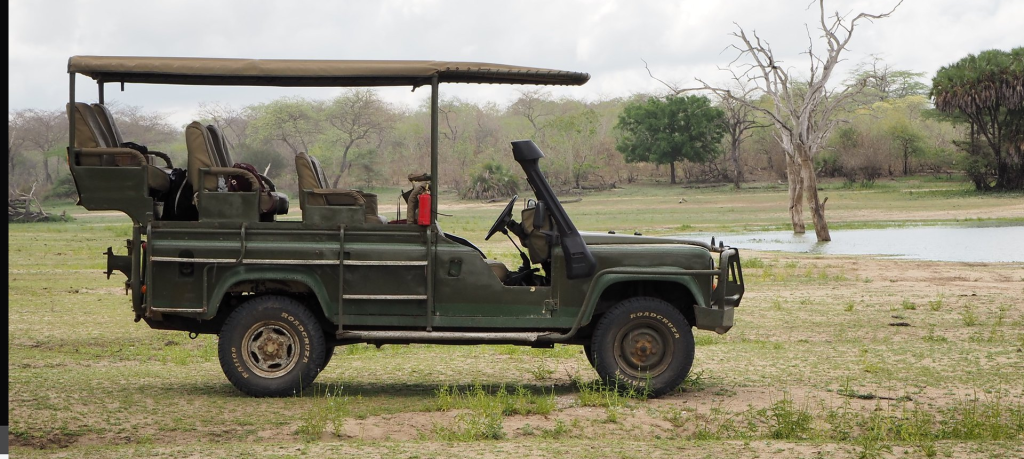
Tanzania remains one of the world’s top safari destinations — and for good reason. Whether you’re planning a budget-friendly Northern Circuit safari or a luxury wildlife escape, the country delivers unforgettable encounters with nature. Two parks that often come up in the conversation are Tarangire National Park and Lake Manyara National Park, both crown jewels of Tanzania’s Northern Safari Circuit. If you’re weighing the two for your itinerary, this detailed comparison will help you decide — or convince you to visit both.
Looking for a fully equipped 4WD vehicle for your Tanzania safari? Explore our 4WD safari rental packages at 4wdadventures.com and hit the bush in confidence.
Wildlife: Big Game, Rare Behaviors, and Everything In Between
Tarangire National Park — Africa’s Elephant Capital
When it comes to elephant sightings on a Tanzania safari, nothing competes with Tarangire. The park has the highest concentration of African elephants of any park in northern Tanzania, and during the dry season from June to October, you’ll encounter massive elephant herds of up to 300 individuals mining the dry riverbed of the Tarangire River in search of underground water.
But there’s more. A massive wildlife migration — though less publicized than the Serengeti’s Great Wildebeest Migration — sees elephants, hartebeests, wildebeests, gazelles, and zebras, as well as predators like lions and leopards, enter the park in great numbers. Visitors to the park in the June to November dry season can expect to see large herds of thousands of zebra, wildebeest, and cape buffalo.
Tarangire is also known for some truly rare finds. The oldest known elephant to give birth to twins is found in Tarangire, and in 2015, a giraffe displaying white coloration due to leucism was spotted in the park. Beyond the megafauna, the Silale Swamp is home to lions, African wild dogs, cape buffaloes, and even elephants, while the iconic baobab tree — known as the “Tree of Life” — collects and retains water in its massive trunk during the rainy season and produces nutrient-dense fruit when everything else is barren.
Planning to self-drive? Check out our guide on planning a 4WD self-drive safari in East Africa at 4wdadventures.com for everything you need to know about navigating Tanzania’s park roads independently.
Lake Manyara National Park — Where Lions Climb Trees
Lake Manyara punches well above its weight. Despite its compact size of just 330 square kilometers, the park features a striking blend of landscapes — from dense groundwater forests and open grasslands to alkaline lakes and floodplains — and is famous for its tree-climbing lions, large troops of baboons, and the seasonal spectacle of thousands of flamingos painting the lake pink.
The tree-climbing lions are the park’s most iconic draw. These nocturnal animals spend most of their day resting up in the big fig trees, descending at sunset when temperatures are cooler — one of only two known populations of tree-climbing lions in the world, the other being in the Ishasha area of Uganda’s Queen Elizabeth National Park.
Other wildlife highlights include hippos crowding the Hippo Pool Lagoon, elephants famous for mud-bathing at Silale Swamp, elusive leopards and hyenas around forest edges, and giraffes, zebras, buffalo, warthog, and baboons common across the plains. Four of the Big Five are present — only rhinos are absent.
Birdlife: A Birder’s Paradise at Both Parks
Tarangire — Over 550 Species
The marshes of Tarangire are home to around 550 distinct bird species, making it one of East Africa’s premier birding destinations. Look out for crested francolins, hoopoes, hornbills, steppe eagles, yellow-collared lovebirds, bee-eaters, and the enormous lappet-faced vulture. Several migratory species breed in the park between February and May, making it a year-round birding destination.
Lake Manyara — Flamingo Spectacle on the Alkaline Lake
Lake Manyara is especially famous for spectacular flocks of almost 2 million flamingos that can be seen on the lake, particularly during the summer months. Large flocks of pelicans and pink flamingos are usually spotted in the middle of the lake, while spoonbills, egrets, herons, storks, and other waders converge around the edges and water meadows. Over 400 bird species in total have been recorded here, and birdwatching is best between November and April when migratory species arrive.
Want to bring the right gear for birdwatching on safari? Read our 4WD safari packing guide at 4wdadventures.com for essential kit recommendations.
Size and What You Can Do There
Tarangire — Big Park, Big Adventures
Tarangire covers an area of approximately 2,850 km² and its landscape is composed of granitic ridges, river valleys, and swamps, with vegetation that is a mix of acacia woodland, combretum woodland, seasonally flooded grassland, and iconic baobab trees. Activities available include game drives, guided bush walks, hot air balloon safaris, night drives, and even rock painting excursions.
Lake Manyara — Compact but Action-Packed
At 330 km², Lake Manyara is much smaller, with the lake itself occupying roughly two-thirds of the total area. This makes it possible to explore the entire park in a single day. Activities include game drives, birdwatching along the flamingo shorelines, night drives to spotlight civets and porcupines, a 370-metre treetop canopy walkway through a mahogany forest, ranger-guided walking safaris, canoeing on the lake, cultural tours in the vibrant nearby town of Mto wa Mbu, and hot springs excursions in the south of the park.
Landscape and Scenery
Tarangire is characterized by wide-open plains, mixed woodlands, and riverine forests, all punctuated by the dramatic silhouettes of giant baobab trees. The southern section transitions into sweeping grassy plains that are stunning during the green season.
Lake Manyara sits at the base of the Great Rift Valley escarpment and features a soda lake, dense groundwater forests nourished by underground springs, acacia woodlands, grassy floodplains, marshes, and volcanic hot springs in the south. The combination makes for some of Tanzania’s most photogenic scenery — especially at golden hour when the escarpment glows behind the shimmering lake.
Getting There: Access from Arusha
Both parks are easily accessible from Arusha — Tanzania’s safari capital. Tarangire National Park is located approximately 120 kilometers southwest of Arusha, and the journey takes approximately 2–3 hours by road, passing through scenic landscapes and rural villages. Lake Manyara is about 126 km from Arusha and reachable in just over 90 minutes.
International visitors can fly into Kilimanjaro International Airport, the main entry point for Tarangire travelers, and then arrange a private transfer or take a domestic flight to Arusha Airport before driving to the park. Both parks can also be reached by chartered flights from Arusha Airport or regional airstrips.
Renting a 4WD is the best way to navigate both parks comfortably and independently. Browse our self-drive Tanzania safari vehicle options at 4wdadventures.com — we have the perfect rig for any terrain.
Best Time to Visit
Tarangire: The best time to visit is June to October for peak wildlife viewing, when animals congregate around the Tarangire River. November to May offers lush green landscapes and excellent birdwatching, though some roads can become challenging.
Lake Manyara: The best time to see migratory birds, including the famous flamingos, is between November and April. The dry season from June to October is ideal for general game viewing, when thinner vegetation and lower water levels make it easier to spot large animals.
Tarangire vs Lake Manyara: Which Should You Choose?
If seeing massive elephant herds, baobab-dotted landscapes, and a dramatic dry-season wildlife migration is your priority — Tarangire is for you. If you want to see tree-climbing lions, witness a surreal pink flamingo spectacle, explore a compact park in a single day, or combine wildlife with a canoe safari and treetop walk — Lake Manyara is your best bet.
Of course, if time and budget allow, combining both parks is the ultimate Northern Circuit experience. They’re only 70 km apart and pair perfectly with Ngorongoro Crater and Serengeti for a complete Tanzania safari itinerary.
Ready to plan your adventure? Visit 4wdadventures.com to explore safari rental packages, self-drive routes, and expert travel tips for East Africa’s greatest wild places.
Most Popular
- All Posts
- 4x4 Self drive Tours
- Adventure Safaris
- East Africa Tours
- Wildlife Tours
Inspiring New Talent
It presents a wrist-hugging oval of gold, punctuated with.