
KIDEPO VALLEY NATIONAL PARK: UGANDA’S UNTAMED WILDERNESS AT ITS FINEST.
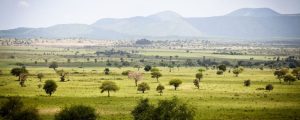 There are places in Africa where wildlife thrives behind fences of popularity and routine, and then there are places where wilderness still feels untouched, raw, and deeply alive. Kidepo Valley National Park belongs to the latter. Located in the far northeastern corner of Uganda, this remote and dramatic landscape offers an experience that feels closer to Africa’s ancient past than to its modern present. Vast plains roll endlessly toward jagged horizons, wildlife roams with little human interruption, and silence often speaks louder than sound.
Kidepo is not a destination for hurried travelers or checklist tourism. It is a place for those who seek depth rather than convenience, authenticity rather than polish, and solitude rather than crowds. Every journey here feels earned. Every sighting feels personal. And every moment carries the weight of a land that has resisted time.
There are places in Africa where wildlife thrives behind fences of popularity and routine, and then there are places where wilderness still feels untouched, raw, and deeply alive. Kidepo Valley National Park belongs to the latter. Located in the far northeastern corner of Uganda, this remote and dramatic landscape offers an experience that feels closer to Africa’s ancient past than to its modern present. Vast plains roll endlessly toward jagged horizons, wildlife roams with little human interruption, and silence often speaks louder than sound.
Kidepo is not a destination for hurried travelers or checklist tourism. It is a place for those who seek depth rather than convenience, authenticity rather than polish, and solitude rather than crowds. Every journey here feels earned. Every sighting feels personal. And every moment carries the weight of a land that has resisted time.
The Setting: Uganda’s Most Isolated Wilderness
Kidepo Valley National Park sits within Uganda’s Karamoja region, bordering South Sudan to the north and Kenya to the east. Its isolation is not accidental; it is a defining feature of its identity. Reaching the park requires commitment—either a long overland journey through changing landscapes or a flight over remote terrain where villages grow sparse and roads fade into tracks. Covering approximately 1,442 square kilometers, Kidepo is large enough to feel boundless yet intimate enough to explore meaningfully. Unlike forested parks in western Uganda, Kidepo is predominantly open savannah, allowing for wide visibility and dramatic scenery. The land rises and falls in gentle waves, punctuated by rocky outcrops, dry riverbeds, acacia woodlands, and distant mountain silhouettes. This setting creates an immediate sense of freedom. The horizon seems endlessly far away, and the sky often cloudless and intensely blue feels vast enough to swallow worries whole.Land Shaped by Time: Valleys, Rivers, and Mountains
The park is named after the Kidepo Valley, one of two major valleys that define the landscape, the other being the Narus Valley. Though both valleys exist within the same park, they feel entirely different in character.- The Narus Valley is the lifeline of Kidepo.
The valley stretches broadly between undulating hills, forming a natural corridor that channels both animal movement and ecological productivity. Permanent springs and seasonal streams nourish tall grasses, acacia woodlands, and scattered palms, making Narus not only a scene of scenic beauty but also a critical lifeline for elephants, buffaloes, antelopes, and predators alike. During dry spells, wildlife from across the park converges here, drawn by the promise of water and shade, creating unforgettable moments of congregation and interaction. 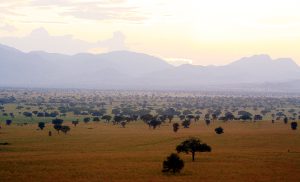
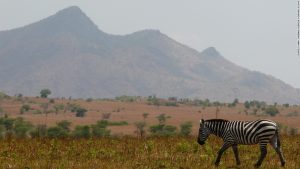 Rising above these valleys is Mount Morungole, a commanding presence that anchors the park’s northeastern edge. Its slopes are rugged and imposing, a reminder that Kidepo is not just a plain but a complex, layered ecosystem shaped by elevation, climate, and time.
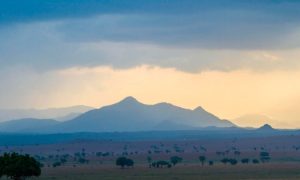 Untamed wildlife in Kidepo valley National Park.
Kidepo Valley National Park, located in northeastern Uganda, is one of the country’s most spectacular wildlife destinations. Unlike the more frequented parks, Kidepo offers an untouched wilderness experience where animals roam freely across expansive savannahs, rugged hills, and seasonal riverbeds. Its remote location contributes to the park’s rich biodiversity, making it a haven for both common and rare species.
The park is home to a remarkable variety of mammals. Large herbivores such as elephants, buffaloes, giraffes, zebras, and various antelope species—including hartebeest, oribi, and waterbuck—graze peacefully across the valleys. These herbivores, in turn, support a healthy predator population. Lions are frequently sighted resting on rocky outcrops or patrolling the plains, while cheetahs and leopards are present, though more elusive, adding to the park’s appeal for serious wildlife enthusiasts. Hyenas, jackals, and servals contribute to the predator-prey balance, creating dynamic and authentic natural interactions.
Birdlife in Kidepo Valley is equally impressive. The park hosts over 450 bird species, including both resident and migratory birds. Raptors such as eagles and vultures dominate the skies, while ostriches, kori bustards, and secretary birds roam the ground. Smaller, colorful species, including sunbirds and weavers, add vibrancy to the landscape. Birdwatching here is particularly rewarding due to the park’s varied habitats, which range from open plains to wooded patches and rocky hills.
Kidepo’s ecosystem is shaped by its semi-arid climate, which creates seasonal changes in animal movement and behavior. During dry seasons, animals concentrate around permanent water sources like the Narus and Kidepo rivers, making wildlife viewing more predictable. Conversely, wet seasons bring fresh growth, dispersing herds and attracting migratory birds. This rhythm underscores the park’s ecological balance, where every species—from the smallest insect to the largest elephant—plays a critical role.
In essence, Kidepo Valley National Park is a sanctuary of biodiversity, offering visitors a chance to witness wildlife in a setting that feels both raw and serene. Its combination of rare species, vast landscapes, and minimal human interference makes it an extraordinary destination for anyone seeking a genuine connection with Africa’s natural heritage.
Climate: Seasons That Shape Life
Kidepo’s climate differs from much of Uganda. Rainfall is lower and less predictable, creating a semi-arid environment that tests both animals and plants. There is typically one main rainy season, followed by long dry periods that define the rhythm of life. During dry months, dust rises from the roads, grass thins, and animals move deliberately between water sources. These conditions make wildlife easier to spot, as vegetation offers little concealment and animals congregate in predictable areas. When rains arrive, the park transforms. Grasses surge back to life, valleys turn green, and the air carries the scent of renewal. Birds become more active, insects emerge, and the entire ecosystem hums with quiet energy. Both seasons reveal different personalities of Kidepo, each with its own rewards.Activities in Kidepo Valley National Park
There’s a reason why Cable News Network Travel ranked Kidepo Valley National Park among the top three in Africa. The park features mountains, hills, and semi-arid conditions that are ideal for photography. Because fewer than ten tourists visit Kidepo Valley National Park on any given day, many areas of the park remain largely intact, virgin, and unaltered. With the exception of a few parks in the Democratic Republic of the Congo, Kidepo offers a greater sense of solitude amid the African bush. What kinds of activities are available to visitors to Kidepo National Park? They are the following; 1. Game drives form the backbone of tourism in Kidepo Valley National Park. The park’s vast open plains, particularly in the Narus Valley, support abundant wildlife throughout the year due to permanent water sources. Early morning and late afternoon drives offer the best chances to observe animals as they feed, hunt, or move across the grasslands. Visitors frequently encounter large herds of buffalo, elephants roaming in family groups, giraffes browsing acacia trees, and zebras grazing peacefully. Kidepo is also one of the few parks in Uganda where cheetahs can be spotted, often scanning the plains from elevated ground. Lions are commonly seen resting on rock formations or following prey, while leopards occasionally emerge at dusk. The absence of heavy traffic allows guests to observe wildlife without pressure, creating a calm and respectful viewing experience.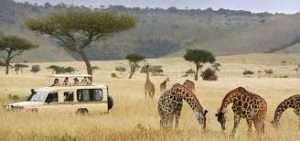 2. Beyond vehicle-based safaris, guided nature walks provide a more personal way to explore the park. Accompanied by trained rangers, tourists walk through selected areas to learn about the smaller details of the ecosystem. These walks focus on animal tracks, plant species, insects, and birdlife that are often overlooked during game drives. Rangers share knowledge about medicinal plants, survival strategies of wildlife, and the ecological balance that sustains the park. Walking through the landscape heightens awareness of sounds, textures, and scents, offering a deeper connection to the environment.
3. Bird watching is another major attraction in Kidepo Valley National Park. With over 450 recorded bird species, the park is considered one of Uganda’s top birding destinations. Its varied habitats, including rocky hills, dry riverbeds, grasslands, and woodland areas, attract both resident and migratory birds. Visitors can spot large birds such as ostriches and secretary birds, as well as eagles, vultures, and hawks circling above the plains. Colorful smaller species add life to the landscape, especially in the early morning hours. Birding in Kidepo is rewarding not only because of species diversity but also because of the peaceful setting in which sightings occur.
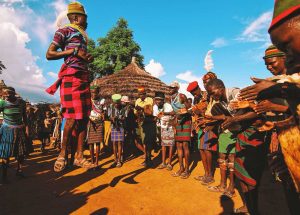
4. Cultural tourism plays a significant role in enriching the visitor experience. The park is surrounded by communities such as the Karamojong and the Ik, whose traditions have been shaped by the harsh yet beautiful environment. Cultural visits allow tourists to engage respectfully with local people, learning about traditional housing, livestock keeping, music, dance, and storytelling. Visitors gain insight into how communities adapt to limited resources, seasonal changes, and close proximity to wildlife. These experiences are often guided by community members themselves, ensuring that tourism benefits local livelihoods while preserving cultural identity.
2. Beyond vehicle-based safaris, guided nature walks provide a more personal way to explore the park. Accompanied by trained rangers, tourists walk through selected areas to learn about the smaller details of the ecosystem. These walks focus on animal tracks, plant species, insects, and birdlife that are often overlooked during game drives. Rangers share knowledge about medicinal plants, survival strategies of wildlife, and the ecological balance that sustains the park. Walking through the landscape heightens awareness of sounds, textures, and scents, offering a deeper connection to the environment.
3. Bird watching is another major attraction in Kidepo Valley National Park. With over 450 recorded bird species, the park is considered one of Uganda’s top birding destinations. Its varied habitats, including rocky hills, dry riverbeds, grasslands, and woodland areas, attract both resident and migratory birds. Visitors can spot large birds such as ostriches and secretary birds, as well as eagles, vultures, and hawks circling above the plains. Colorful smaller species add life to the landscape, especially in the early morning hours. Birding in Kidepo is rewarding not only because of species diversity but also because of the peaceful setting in which sightings occur.
4. Cultural tourism plays a significant role in enriching the visitor experience. The park is surrounded by communities such as the Karamojong and the Ik, whose traditions have been shaped by the harsh yet beautiful environment. Cultural visits allow tourists to engage respectfully with local people, learning about traditional housing, livestock keeping, music, dance, and storytelling. Visitors gain insight into how communities adapt to limited resources, seasonal changes, and close proximity to wildlife. These experiences are often guided by community members themselves, ensuring that tourism benefits local livelihoods while preserving cultural identity.
 5. Hiking and scenic exploration are ideal for travelers seeking physical activity and breathtaking views. One of the most popular hikes leads to Mount Morungole, located near the park boundary. The hike offers sweeping views of the surrounding plains and introduces visitors to the Ik community living on the mountain slopes. Within the park, shorter hikes and walks lead to viewpoints overlooking valleys and seasonal rivers. These elevated areas are excellent for photography, wildlife observation, and quiet reflection. The landscape changes dramatically with light, making different times of day suitable for exploration.
6. Photography is a natural extension of many activities in Kidepo Valley National Park. The park’s wide horizons, dramatic skies, and untouched scenery create striking visual opportunities. Wildlife photography is particularly rewarding due to the natural behavior of animals and the lack of artificial interference. Sunrise and sunset are especially captivating, as warm colors spread across the plains and silhouettes of animals appear against the sky. Landscape photographers also find inspiration in the contrast between open savannah, rocky ridges, and distant mountains.
7. Camping and lodge-based relaxation are activities in themselves, allowing visitors to absorb the atmosphere of the park. Staying within or near the park gives tourists the chance to hear nocturnal sounds, watch stars in clear night skies, and enjoy peaceful mornings before activities begin. Even moments of rest become meaningful, as the surrounding environment constantly reminds visitors of the park’s wild character.
8. Educational tourism is another growing aspect of Kidepo Valley National Park. Students, researchers, and conservation-minded travelers visit the park to learn about wildlife management, community conservation, and ecosystem resilience in semi-arid regions. Interactions with park rangers and conservation staff provide valuable insight into the challenges and successes of protecting such a remote area. These learning experiences encourage appreciation for conservation efforts and responsible tourism.
5. Hiking and scenic exploration are ideal for travelers seeking physical activity and breathtaking views. One of the most popular hikes leads to Mount Morungole, located near the park boundary. The hike offers sweeping views of the surrounding plains and introduces visitors to the Ik community living on the mountain slopes. Within the park, shorter hikes and walks lead to viewpoints overlooking valleys and seasonal rivers. These elevated areas are excellent for photography, wildlife observation, and quiet reflection. The landscape changes dramatically with light, making different times of day suitable for exploration.
6. Photography is a natural extension of many activities in Kidepo Valley National Park. The park’s wide horizons, dramatic skies, and untouched scenery create striking visual opportunities. Wildlife photography is particularly rewarding due to the natural behavior of animals and the lack of artificial interference. Sunrise and sunset are especially captivating, as warm colors spread across the plains and silhouettes of animals appear against the sky. Landscape photographers also find inspiration in the contrast between open savannah, rocky ridges, and distant mountains.
7. Camping and lodge-based relaxation are activities in themselves, allowing visitors to absorb the atmosphere of the park. Staying within or near the park gives tourists the chance to hear nocturnal sounds, watch stars in clear night skies, and enjoy peaceful mornings before activities begin. Even moments of rest become meaningful, as the surrounding environment constantly reminds visitors of the park’s wild character.
8. Educational tourism is another growing aspect of Kidepo Valley National Park. Students, researchers, and conservation-minded travelers visit the park to learn about wildlife management, community conservation, and ecosystem resilience in semi-arid regions. Interactions with park rangers and conservation staff provide valuable insight into the challenges and successes of protecting such a remote area. These learning experiences encourage appreciation for conservation efforts and responsible tourism.
How to access Kidepo Valley National Park.
Kidepo Valley National Park is located in the remote northeastern corner of Uganda, near the borders with South Sudan and Kenya. Its isolation is part of what makes it so special, but reaching the park requires careful planning. Travelers have several options, including road and air travel, depending on their time, budget, and adventure preference. By road, Kidepo is accessible from Uganda’s capital, Kampala, or the regional hub of Gulu. From Kampala, the journey covers approximately 570 kilometers and typically takes 12 to 14 hours, depending on road conditions. The route passes through scenic northern Uganda, including Lira and Kitgum towns, before reaching the park’s entrance. Travelers usually need a 4WD vehicle due to rough or uneven road surfaces, particularly during the rainy season. Gulu, being closer at about 320 kilometers away, is often used as a starting point for a shorter and more manageable road trip. For those seeking convenience, domestic flights are available. Charter flights and small scheduled planes operate from Entebbe or Kampala directly to Kidepo’s small airstrip. The flight takes around 1: 30 minutes to 2 hours and offers incredible aerial views of Uganda’s landscapes, from rolling savannahs to the rugged hills surrounding the park. Upon landing, vehicles are available to transfer visitors to lodges or campsites within the park. Regardless of the route, reaching Kidepo Valley National Park requires preparation due to its remote location, but the journey is rewarded with unparalleled wildlife encounters, breathtaking landscapes, and the sense of entering one of Uganda’s most untouched wilderness areas.Options for lodging in Kidepo Valley National Park
One of Uganda’s most isolated and breathtaking wildlife sites is Kidepo Valley National Park. The park’s lodging choices, which range from opulent lodges tucked away in the park to cozy mid-range camps and affordable hostel-style stays, mirror this sense of wildness. From relaxing after a day of game drives to waking up to animals at your doorstep, each option gives a unique experience of the African wilderness. Kidepo Valley National Park provides lodging alternatives that capture its pure atmosphere and rich animal legacy, ranging from affordable bush camping to luxurious wilderness lodging. Your time here becomes just as unforgettable as the safari itself, whether you’re lounging by a campfire beneath the stars or viewing elephants at daybreak from a balcony.Luxurious and Superior Safari Lodges in Kidepo Valley National Park.
Luxury lodges in Kidepo Valley National Park offer an indulgent experience with top-tier service, spacious rooms, and panoramic views of the savannah. These lodges typically feature stone and thatch designs that harmonize with the rugged landscape while providing guests with high levels of comfort. Many luxury options include private verandas overlooking watering holes perfect for observing wildlife from the comfort of your room.Guests at luxury lodges can expect quality meals, attentive staff, and additional services like guided game drives, cultural visits to nearby communities, and even spa treatments. These properties often have stylish dining areas, lounges with binoculars and wildlife guides, and beautifully tended gardens that attract colorful birds, below are some of the examples:
- The Apoka Safari Lodge
- Kidepo’s Mara Safari Lodge.
Mid-Range and Cozy Accommodations at Kidepo National Park.
For travelers seeking comfort without extravagant pricing, mid-range options in and around Kidepo offer excellent value. These lodges and tented camps typically provide well-furnished rooms or semi-permanent tents with en-suite bathrooms, comfortable beds, and outdoor seating areas. Many are strategically placed to offer sweeping views of the Narus Valley or the park’s rolling plains. Mid-range establishments usually include meals in their rates and can arrange activities such as morning and evening game drives, bird-watching excursions, and cultural interactions with local communities. Some even have swimming pools where guests can relax after a day of adventure in some of them as mentioned below.- Kidepo Savannah Lodge.A flexible mid-range choice, Kidepo Savannah Lodge is within a short distance from the Kalokudo gate. It is great for families, couples, and lone travelers alike because it provides a variety of self-contained safari tents as well as simpler tents with communal amenities. The self-contained tents provide individual verandas with expansive views of Narus valley and Mount Morungole , as well as toilets with hot showers. For tourists on a tight budget who nevertheless desire comfort and close access to the park, shared tents are well-equipped and perfect. Additionally, the lodge features a bar and restaurant with views of the
- The Nga’moru Wilderness Camp.
- Kidepo’s Zebra Safari Lodge.
Budget friendly and Camp-Style Lodging
For a more traditional safari experience, classic tent camping is widely available. These camps range from basic pitching-your-own-tent sites to fully serviced camps with large canvas tents and camp staff. Tents are typically elevated on wooden platforms and furnished with comfortable bedding, bedside tables, and sometimes solar-powered lighting.Camping in Kidepo lets you sleep to the sounds of the wild—lions in the distance, hyenas calling at night, and birds stirring at dawn. Shared ablution blocks with hot showers and flushing toilets are common at established campgrounds. Some camps also offer communal dining around a fire pit, where guests share stories and sightings under the stars as mentioned below.
- The Apoka Rest Camp
- UWA Campsites at Nagusokopire and Kakine.
Tips for Booking
- Plan Ahead: Because Kidepo sees fewer visitors and has limited rooms compared to more popular parks, accommodations can fill up quickly, especially during peak seasons.
- Consider Location: Some lodges are closer to key wildlife areas such as Narus Valley, while others are better positioned for scenic views or cultural tours.
- Check Inclusions: Many lodges include meals, park fees, and game drives in their packages. Clarify what is covered before booking to avoid surprises.
- Respect the Environment: Choose accommodations that practice sustainable tourism and respect local cultures and ecosystems.