
Masai Mara Game Reserve: A Complete Journey through Kenya’s Most Iconic Wilderness
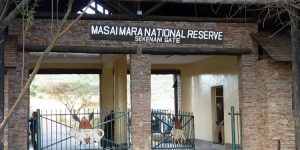
Masai Mara Game Reserve stands as one of Africa’s most celebrated natural landscapes. Located in southwestern Kenya, this vast reserve attracts travelers who seek raw wildlife experiences and deep cultural connections. From endless savannahs to dramatic river crossings, Masai Mara Game Reserve offers moments that remain unforgettable.
Unlike many protected areas, the reserve provides open plains that allow clear and close wildlife viewing. As a result, visitors experience nature without barriers. Moreover, the reserve supports a balanced ecosystem where predators and herbivores thrive together. This balance creates daily wildlife activity, which keeps every safari exciting.
In addition, Masai Mara Game Reserve connects directly with Tanzania’s Serengeti. This connection allows animals to move freely across borders. Therefore, the reserve plays a key role in supporting large-scale wildlife movements like the wildebeest migration.
Beyond animals, Masai Mara reflects strong cultural roots. The Maasai people live alongside wildlife and protect their traditions with pride. Their presence adds meaning and authenticity to every visit. Because of this blend of nature and culture, Masai Mara offers more than sightseeing. It delivers understanding, respect, and wonder.
Landscape, Geography, and Natural Features of Masai Mara
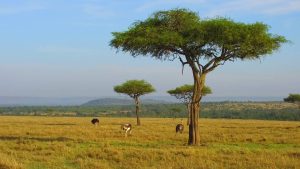
Masai Mara Game Reserve features diverse landscapes that support rich biodiversity. Rolling grasslands stretch across most of the reserve, creating perfect conditions for grazing animals and hunting predators. These open plains allow visitors to spot wildlife easily from a distance.
However, the reserve also includes riverine forests, rocky outcrops, and seasonal streams. The Mara River remains the most famous natural feature. It supplies water during dry months and supports large populations of hippos and crocodiles. Moreover, the river becomes the stage for dramatic migration crossings.
Acacia trees dot the landscape and provide shade for animals during hot afternoons. Meanwhile, higher ground areas offer panoramic views of the plains. Because of this variety, Masai Mara Game Reserve supports animals with different habitat needs.
The soil remains fertile due to seasonal rains. As a result, grasses grow quickly and support massive herds. This natural cycle ensures continuous wildlife movement and feeding patterns. Therefore, the geography of Masai Mara plays a direct role in sustaining its ecosystem.
Wildlife Diversity and Ecosystem Balance
Masai Mara Game Reserve supports one of the richest wildlife populations in Africa. More than ninety-five mammal species roam freely within its boundaries. In addition, hundreds of bird species thrive across plains, forests, and wetlands.
The reserve hosts the famous Big Five. Lions dominate the grasslands, while elephants move in large family groups. Buffalo gather in strong herds, and leopards hide within trees. Rhinos remain rare but valuable sightings.
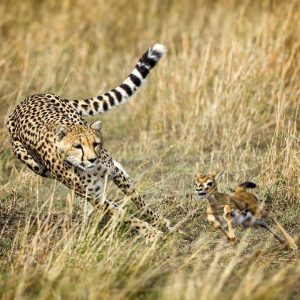
Beyond the Big Five, cheetahs sprint across open plains with unmatched speed. Hyenas patrol territories with intelligence and adaptability. Giraffes browse treetops, while zebras and wildebeest graze constantly.
Each species plays a clear role in maintaining balance. Herbivores manage grass growth, while predators control population numbers. Scavengers clean the land and prevent disease. Because of this natural order, the ecosystem stays healthy and active.
Moreover, seasonal changes influence animal behavior. During dry months, animals gather near water sources. During wet months, they spread across the reserve. Therefore, Masai Mara Game Reserve remains dynamic throughout the year.
Birdlife also thrives in Masai Mara. Eagles soar overhead, while colorful bee-eaters flash across the sky. Moreover, wetlands attract herons, storks, and cranes. Because of this variety, bird lovers find endless joy throughout the reserve.
Predators of the Masai Mara Plains
Masai Mara Game Reserve hosts one of the highest predator densities in Africa. Lions dominate the ecosystem with strong prides and coordinated hunts. Unlike other regions, lions here hunt during daytime. Therefore, sightings occur often.
Cheetahs also thrive in the open plains. Their speed gives them advantage in wide spaces. Meanwhile, leopards prefer riverine forests and trees. They remain elusive but rewarding to spot.
Hyenas play a misunderstood yet vital role. They hunt effectively and clean the land by consuming remains. Because of their intelligence, they adapt easily. Together, these predators maintain balance within the ecosystem.
 Herbivores That Shape the Land
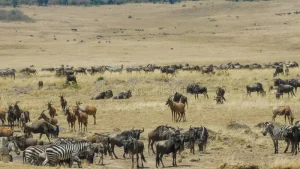
Herbivores form the backbone of Masai Mara Game Reserve. Wildebeest graze in vast numbers, shaping grass growth. Zebras follow closely, feeding on tougher grasses. Therefore, these species work together naturally.
Elephants move slowly but influence the land deeply. They break trees, create paths, and dig water holes. Meanwhile, buffalo travel in powerful herds that intimidate predators.
Smaller herbivores also play key roles. Antelopes, gazelles, and warthogs feed constantly. Because of their presence, predators remain active and ecosystems stay dynamic.
Tourist Activities at Maasai Mara National Reserve
Maasai Mara National Reserve offers an extraordinary variety of activities that immerse visitors in Kenya’s iconic wildlife and landscapes. Unlike many parks where wildlife encounters can feel distant or fleeting, the Mara provides up-close experiences that thrill photographers, adventure seekers, and nature lovers alike. Every activity balances excitement, learning, and natural beauty, making the reserve a must-visit destination for safari enthusiasts.
Visitors can explore the Mara through classic game drives, walking safaris, and even hot air balloon rides. Each option presents a unique perspective of the savannah, riverine forests, and rolling hills. For example, early morning game drives increase the chances of spotting lions, cheetahs, and elephants on the hunt, while evening drives provide breathtaking sunset landscapes over the plains. Hot air balloon safaris offer a bird’s-eye view of wildlife migration and the endless golden grasslands.
Other experiences include cultural tours with Maasai communities, photography-focused safaris, and guided nature walks. Seasonal events, such as the Great Wildebeest Migration, add unmatched excitement, offering one of the most spectacular wildlife phenomena on Earth.
By providing such diverse activities, Maasai Mara ensures that every visitor finds something unforgettable. Whether tracking predators on a 4WD safari, observing wildebeest crossings, or capturing iconic moments through a camera lens, travelers form lasting connections with Kenya’s legendary landscapes and wildlife.
The Great Wildebeest Migration Experience.
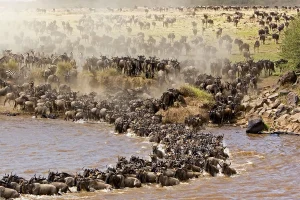
The wildebeest migration represents the most dramatic wildlife event in Masai Mara Game Reserve. Every year, over one million wildebeest enter the reserve from the Serengeti in search of fresh grass. Zebras and gazelles travel alongside them in massive numbers.
This movement follows rainfall patterns. As grass dries in one area, animals move toward greener land. Therefore, the migration reflects survival and instinct rather than fixed timing.
River crossings create the most intense moments. Wildebeest leap into the Mara River despite strong currents and crocodiles. Predators wait along riverbanks, ready to hunt. Because of this danger, each crossing delivers tension and excitement.
The migration usually peaks between July and October. However, animal movement continues throughout the year. Calving season occurs earlier in the year and attracts predators in large numbers.
For visitors, the migration offers unmatched photography and observation opportunities. The sheer number of animals creates powerful visual impact. As a result, the wildebeest migration defines Masai Mara’s global reputation.
Game Drives: The core of the safari.
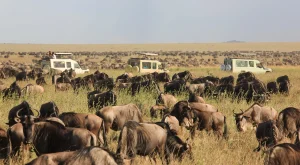
Game drives form the core activity in Masai Mara Game Reserve. These guided excursions take place early in the morning and late in the afternoon. During these hours, animals remain most active.
Experienced guides track animal movements using knowledge and observation. They understand behavior patterns and predict sightings accurately. Therefore, each drive feels purposeful and rewarding.
Game drives allow visitors to witness hunting, feeding, and social interaction. Lions rest near roads, cheetahs stalk prey, and elephants cross open plains. Because vehicles follow designated tracks, wildlife remains undisturbed.
Different routes offer varied experiences. Some areas feature dense predator activity, while others showcase large herbivore herds. Guides adjust routes based on weather and animal movement.
Moreover, game drives provide learning opportunities. Guides explain animal behavior, ecosystems, and conservation challenges. As a result, visitors gain deeper appreciation rather than simple observation.
Wildlife Photography in Masai Mara Game Reserve.
Masai Mara Game Reserve ranks among the best wildlife photography destinations in the world. Open landscapes provide clear backgrounds and strong natural lighting. As a result, photographers capture sharp and dramatic images.
Golden hours create warm tones across the plains. Sunrise and sunset enhance animal silhouettes and movement. Moreover, dust and clouds add depth to compositions.
Wildlife behavior offers endless subjects. Photographers capture hunts, migrations, interactions, and emotions. Because animals remain visible for long periods, photographers have time to plan shots.
Guides position vehicles carefully to support photography angles. They understand light direction and animal behavior. Therefore, even beginners capture impressive images.
Bird photography also thrives here. Colorful species perch near rivers and trees. Raptors soar overhead with wide wingspans.
Because of accessibility and diversity, Masai Mara Game Reserve inspires photographers at all skill levels.
Hot Air Balloon Safaris over the Plains.
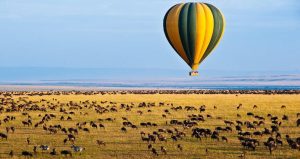
Hot air balloon safaris offer a unique way to experience Masai Mara Game Reserve. These flights begin before sunrise and float silently above the plains. As daylight spreads, wildlife becomes visible below.
From the air, visitors observe animal movement patterns. Herds form shapes across grasslands, and predators move with purpose. This perspective reveals connections unseen from the ground.
Balloon safaris provide calm and reflection. Unlike vehicles, balloons move without sound or disturbance. Therefore, animals behave naturally.
After landing, guests enjoy breakfast in the bush. This experience adds elegance and celebration to the adventure.
Because of limited availability, balloon safaris feel exclusive. They suit travelers seeking memorable and peaceful moments.
Cultural Tours with the Maasai Community
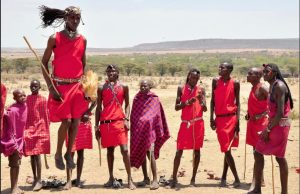
Cultural tours enrich visits to Masai Mara Game Reserve. The Maasai people share their traditions, stories, and daily life with visitors. These interactions create understanding and respect.
Visitors learn about traditional clothing, beadwork, and ceremonies. Maasai warriors demonstrate dances and explain cultural values. Moreover, elders share wisdom passed through generations.
The Maasai live closely with nature. Their knowledge of animals and land supports conservation. Therefore, cultural tours highlight coexistence rather than conflict.
Tourism supports local education and healthcare. As a result, cultural visits benefit communities directly.
Because of authenticity and pride, Maasai cultural tours add emotional depth to the safari experience.
Nature Walks and Guided Bush Exploration
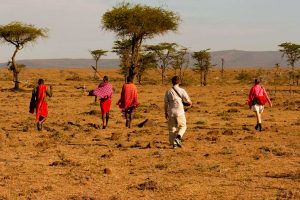
Nature walks offer a slower and more intimate experience in Masai Mara Game Reserve. Guided by trained rangers, visitors explore selected areas on foot.
During walks, guests learn about plants, insects, and animal tracks. Guides explain how small details connect to the larger ecosystem. Therefore, visitors gain deeper understanding.
Nature walks focus on awareness and observation. Without vehicles, sounds and scents become clearer. This connection creates appreciation for subtle beauty.
Safety remains a priority. Rangers choose safe routes and maintain awareness of wildlife movement.
Because of this balance, nature walks complement game drives perfectly.
Conservation and Sustainable Tourism Efforts
Conservation shapes the future of Masai Mara Game Reserve. Anti-poaching teams protect wildlife daily. Community programs support education and healthcare.
Tourism revenue funds conservation projects and local employment. Lodges adopt sustainable practices like solar energy and waste reduction.
Community involvement strengthens protection efforts. Because locals benefit from conservation, wildlife remains valued.
As a result, Masai Mara continues to thrive despite environmental challenges.
Accommodation Options in Masai Mara Game Reserve.
Masai Mara Game Reserve offers a wide range of accommodation options that suit different travel styles, budgets, and expectations. Each option provides a unique way to experience the wilderness while staying close to wildlife activity. Because many lodges and camps sit inside or near the reserve, guests enjoy quick access to game drive routes.
Luxury lodges deliver high comfort and exclusive services. Examples include Angama Mara, Mara Serena Safari Lodge, and Fairmont Mara Safari Club. These lodges offer spacious rooms, private decks, fine dining, and panoramic views of the plains. Moreover, professional guides, spa services, and personalized game drives enhance the experience. Travelers who value comfort and privacy often choose these lodges.
Tented camps provide a more immersive safari feel while maintaining comfort. Mara Intrepids Camp, Governors’ Camp, and Entim Mara Camp stand as popular examples. These camps use permanent tents with proper beds, bathrooms, and dining areas. Because tents sit close to wildlife zones, guests hear nature sounds at night, which adds excitement and authenticity.
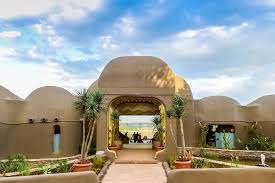
Mid-range and budget camps suit travelers seeking value and simplicity. Camps such as Mara Sopa Lodge and Enchoro Wildlife Camp offer clean rooms, good meals, and guided activities at lower costs. As a result, more travelers access Masai Mara without sacrificing safety or experience.
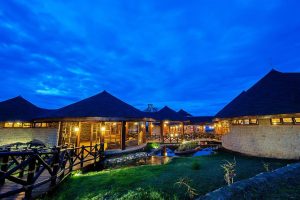
Each accommodation type supports conservation and local employment. Therefore, staying in Masai Mara Game Reserve benefits both visitors and the surrounding community.
Best Time to Visit Masai Mara Game Reserve
Masai Mara Game Reserve offers rewarding experiences throughout the year. However, each season shapes wildlife activity differently. Because of this variation, choosing the best time depends on travel goals rather than strict rules.
The dry season, from June to October, attracts the highest number of visitors. During this period, rainfall remains low, and grass stays short. As a result, animals gather around rivers and waterholes, which makes wildlife viewing easier. This season also features the famous wildebeest migration. Large herds cross from the Serengeti into the Mara, creating dramatic river crossings and intense predator action. Travelers interested in photography and big-cat sightings often prefer these months.
The short rainy season, from November to December, transforms the reserve into a green landscape. Wildlife spreads across the plains, and birdlife increases significantly. Meanwhile, the long rainy season, from March to May, supports calving activity among herbivores. Predators follow closely, which creates frequent hunting scenes. Because fewer tourists visit during these months, travelers enjoy quieter game drives and better accommodation rates.
Since temperatures remain moderate year-round, Masai Mara Game Reserve stays comfortable in every season. Therefore, visitors can plan trips based on wildlife interest, budget, or crowd preference.
How to Access Masai Mara Game Reserve.
Reaching Masai Mara Game Reserve remains convenient and flexible. Most travelers begin their journey in Nairobi, Kenya’s main travel hub. From there, visitors choose between road travel and domestic flights depending on time and comfort in the 4wd vehicles.
Road travel offers a scenic and immersive experience. The drive from Nairobi to Masai Mara takes approximately five to six hours. Travelers pass through the Great Rift Valley and rural landscapes along the way. Tour operators usually provide four-wheel-drive vehicles that handle changing road conditions well. This option suits travelers who enjoy gradual transitions into safari environments.
Domestic flights provide faster access to the reserve. Several daily flights operate from Wilson Airport in Nairobi to airstrips inside Masai Mara. Popular landing points include Keekorok, Ol Kiombo, Mara Serena, and Musira airstrips. Flight times average 45 to 60 minutes, which allows visitors to maximize time inside the reserve.
After landing, lodge vehicles transfer guests directly to camps. Because of this smooth connection, visitors begin game viewing almost immediately. With reliable transport options, accessing Masai Mara Game Reserve remains simple and efficient for all travelers.
Conclusion: Why Masai Mara Game Reserve Remains Timeless
Masai Mara Game Reserve offers more than wildlife sightings. It delivers connection, learning, and inspiration. Each visit reveals new stories across land and culture.
The reserve balances tourism with conservation effectively. Activities like game drives, photography, balloon safaris, nature walks, and cultural tours create complete experiences.
Because of its diversity and authenticity, Masai Mara leaves lasting impressions. Travelers depart with respect for nature and responsibility toward protection.
For anyone seeking true African wilderness, Masai Mara Game Reserve remains unmatched.